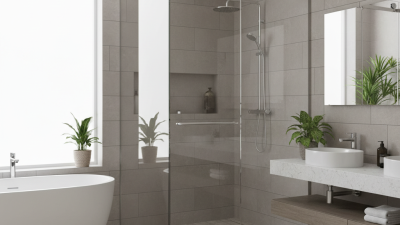
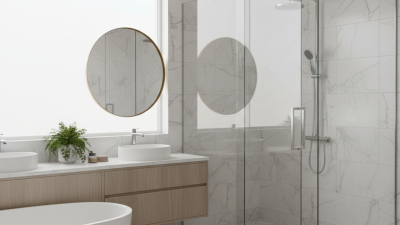
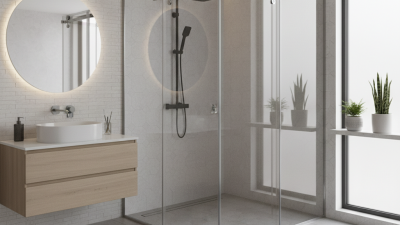
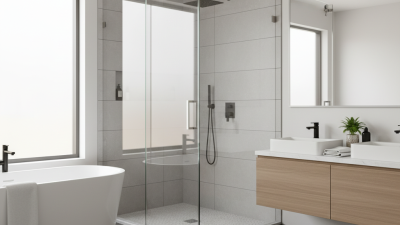
Top 10 Sliding Door Shower Glass Options for Your Bathroom?
When considering a bathroom upgrade, the choice of Sliding Door Shower Glass is pivotal. This option blends elegance with functionality. According to a report by the National Kitchen & Bath Association, nearly 70% of homeowners prioritize shower glass options in their renovations. Notably, industry expert Sarah Jennings states, “The right sliding door can enhance not just aesthetics but also space efficiency.”
Sliding Door Shower Glass provides a modern touch while maximizing light and visibility. However, selecting the best option requires careful thought. Various styles and thicknesses can influence both durability and appearance. For instance, tempered glass can offer increased safety and a sleek look. Yet, not all choices are perfect for every space. Homeowners often overlook the importance of proper sealing and installation, which can lead to issues over time. The right innovation should harmonize with your bathroom’s style and functionality.
While Sliding Door Shower Glass presents numerous benefits, weighing options carefully ensures satisfaction. It’s crucial to find a balance between design and practicality. Avoid common missteps, and reflect on your needs before making a decision. Each glass option brings its own challenges, highlighting the need for informed choices in your bathroom renovation journey.
Top 10 Features to Look for in Sliding Door Shower Glass Options
When selecting sliding door shower glass options, certain features can greatly enhance your bathroom experience. Look for tempered glass for safety. This type of glass withstands high temperatures and shattering risks. It ensures durability and protects you from potential accidents. Another key feature is the thickness of the glass. Ideally, choose glass that is at least ⅜ inch thick. Thicker glass provides better strength and stability, reducing the chance of flexing over time.
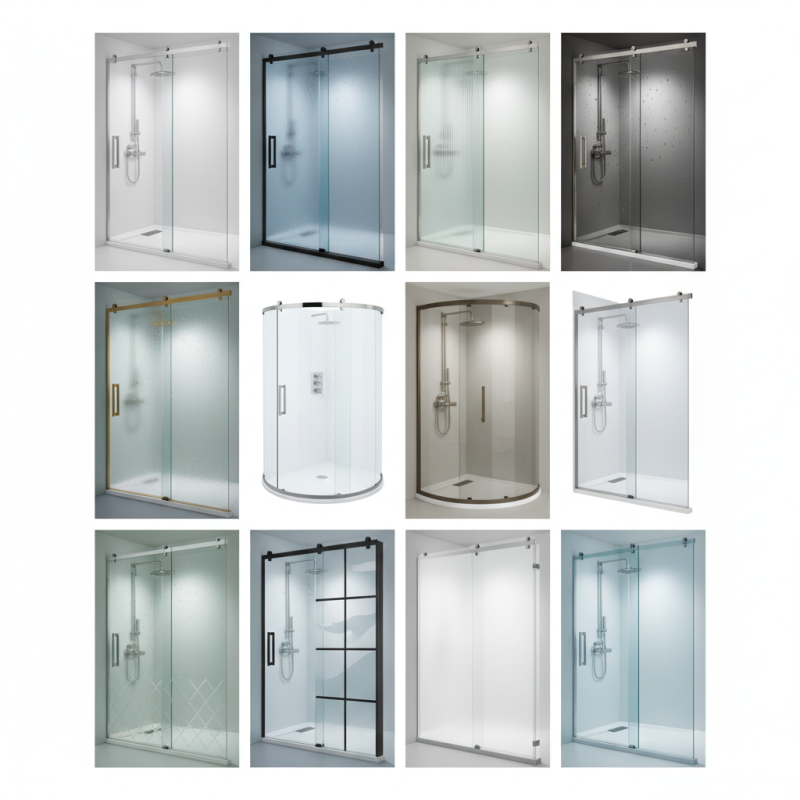
Consider the type of finish as well. Clear glass offers a modern look. However, frosted or patterned options enhance privacy. They can create a more inviting and restful environment. Be mindful of maintenance too. Some glass treatments resist water spots better than others. This makes cleaning much easier and keeps your glass looking brand new. Assess the sliding mechanism as well. A smooth glide is essential for ease of use. A well-designed sliding system can prevent frustrating jams and ensure long-term performance.
Don't forget about the frame style. Frameless designs give a sleek, contemporary aesthetic. However, framed options can provide additional support and sturdiness. Be prepared to spend time considering these details, as they impact functionality and aesthetics. Making the right choice now prevents future regrets. Always think about how each feature aligns with your unique needs and style preferences.
Comparative Analysis of Glass Thickness and Durability in Showers
When it comes to sliding door shower glass, thickness significantly influences durability. Generally, thicker glass is preferable. A minimum thickness of ¼ inch (6 mm) is often recommended for strength. This thickness withstands the impacts of daily use while resisting the risk of shattering.
However, not all thick glass is equal. The quality of the tempered glass matters. Higher quality glass offers better resistance to thermal stress and impacts. It's reassuring to know that well-manufactured glass has lower chances of developing cracks. Yet, it's crucial to ensure proper installation. Even the best glass can fail if poorly fitted.
Homeowners should weigh the potential risks and benefits. Thicker glass can enhance aesthetics and security. Yet, it may add to the overall weight and complexity of the installation. Finding the balance between elegance and durability is important. Understand your bathroom's layout before making a choice. Ultimately, each option should be assessed based on individual needs and preferences.
Trends in Shower Glass Design: Enhancing Aesthetics and Functionality
Sliding door shower glass has gained popularity. This trend emphasizes aesthetics and functionality in modern bathroom design. According to the latest market research, approximately 70% of homeowners prefer glass shower doors over traditional curtains. This shift reflects a desire for elegance and usability.
Design choices have expanded significantly. Frameless glass doors offer sleek lines, adding a spacious feel to rooms. Textured or patterned glass provides privacy while maintaining a stylish appearance. A recent survey showed that 56% of homeowners are willing to invest in custom designs. This indicates a strong trend toward personalization and uniqueness in bathroom spaces.
However, maintenance can be a challenge. Water spots and soap scum require regular cleaning to maintain clarity. Some homeowners struggle with choosing between aesthetics and practicality. The right balance is crucial. An ideal design enhances the overall beauty while ensuring ease of use. It is essential to consider both style and functionality to create a harmonious bathroom environment.
Top 10 Sliding Door Shower Glass Options for Your Bathroom
Cost-Benefit Analysis of Frameless vs. Framed Sliding Shower Doors
When choosing between frameless and framed sliding shower doors, considerations extend beyond aesthetics. A 2022 report from the National Kitchen and Bath Association (NKBA) shows that 65% of homeowners prefer frameless doors due to their sleek appearance. However, cost remains a significant factor. Frameless doors can range from $800 to $2,500, while framed models typically cost between $300 and $1,200.
Durability is another aspect to ponder. Frameless doors, often made of thicker glass, boast improved longevity. Industry data indicates that these doors can last over 15 years with proper care. In contrast, framed options tend to show wear more quickly, sometimes requiring replacement after just 5-10 years.
Water leakage can raise concerns as well. Frameless doors may require better sealing solutions to prevent water from escaping, which could lead to costly repairs over time. On the other hand, framed doors often have built-in seals that manage water flow effectively. Yet, these seals can degrade, necessitating regular maintenance and replacement. The choice ultimately hinges on personal preferences and long-term value.
Top 10 Sliding Door Shower Glass Options for Your Bathroom? - Cost-Benefit Analysis of Frameless vs. Framed Sliding Shower Doors
| Option |
Type |
Cost ($) |
Benefits |
Drawbacks |
| Clear Glass Sliding Door |
Frameless |
600 |
Stylish, easy to clean |
Higher cost, less privacy |
| Frosted Glass Sliding Door |
Frameless |
650 |
Privacy, modern look |
Higher maintenance |
| Clear Glass with Metal Frame |
Framed |
500 |
Durability, classic style |
Dust accumulation in frame |
| Obscure Glass Sliding Door |
Framed |
480 |
Good privacy, unique look |
Less light transmission |
| Tempered Glass Sliding Door |
Frameless |
700 |
Safety, scratch-resistant |
Higher initial cost |
| Sliding Shower Panel with Frame |
Framed |
550 |
Enhanced support, classic |
Can look bulky |
| Textured Glass Sliding Door |
Frameless |
680 |
Enhanced design, privacy |
Higher maintenance needs |
| Laminated Glass Sliding Door |
Frameless |
720 |
Safety, sound insulation |
Expensive installation |
| Sliding Glass with Frosted Edges |
Frameless |
640 |
Stylish, good privacy |
May require more cleaning |
| Etched Glass Sliding Door |
Frameless |
760 |
Artistic, unique |
Expensive, less light |
Safety Standards and Certifications for Shower Glass: What You Need to Know
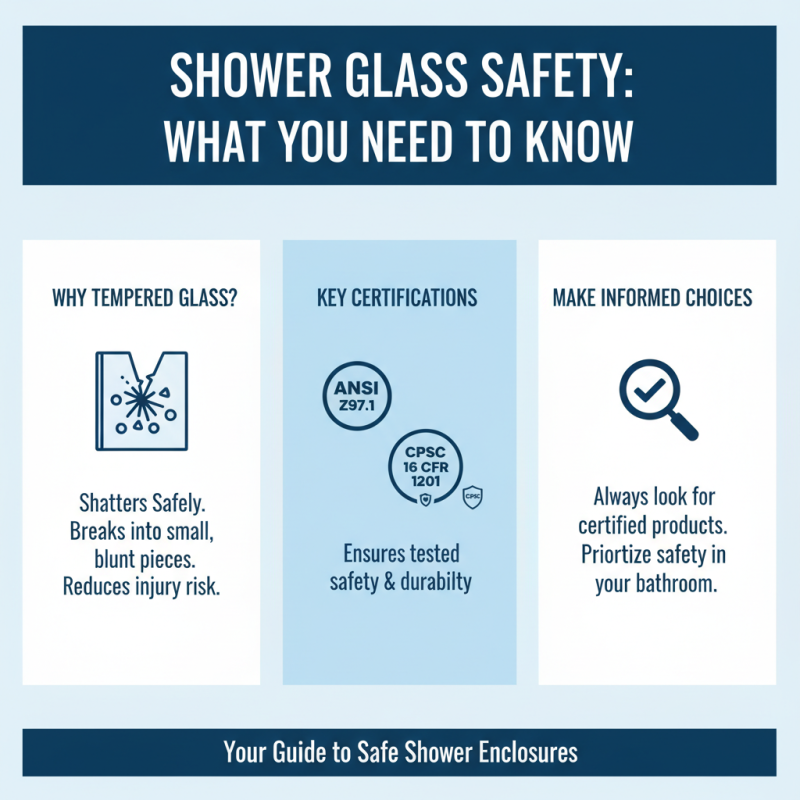
When selecting sliding door shower glass for your bathroom, safety is crucial. Understanding safety standards and certifications helps ensure you make informed choices. Tempered glass is often recommended. It is designed to shatter into small, blunt pieces if broken. This reduces the risk of injury. Additionally, look for products that meet ANSI Z97.1 or CPSC 16 CFR 1201 certifications.
Installing shower glass that adheres to safety standards not only protects individuals but also enhances your bathroom’s aesthetic. Keep in mind, not all glass is created equal. Some may look appealing but lack adequate strength. Always check the thickness; the thicker the glass, the safer it usually is.
Tips: Before purchasing, verify with suppliers about certification documents. This will ensure you’re not only buying a stylish product but a safe one as well. Consider your bathroom layout. Ensure that the door opens and closes smoothly. Poor installation could lead to accidents. Prioritize safety, and enjoy your beautiful shower space.