How to Choose the Best Glass Shower Doors for Your Bathroom?
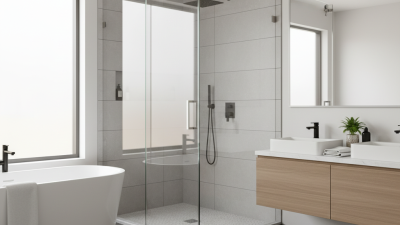
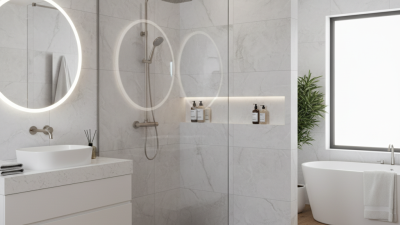
Choosing the right glass shower doors can transform your bathroom. According to Johnathan Reed, a renowned expert in bathroom design, “The right glass shower doors can elevate both style and functionality.” Selecting the best options involves careful consideration of various factors.
The market offers a wide range of glass shower doors, such as framed, semi-frameless, and frameless designs. Each has unique features. However, one must understand the pros and cons of each type. Knowing the right glass thickness is vital too; it affects durability and safety.
When making your choice, consider the bathroom size. Large spaces can accommodate bold designs, while smaller areas may require minimalistic options. Aesthetics matter, but practicality shouldn't be ignored. Buyers often overlook maintenance, which is crucial for long-term satisfaction. Finding the right balance will ensure your shower doors serve both beauty and purpose.
Understanding Different Types of Glass Shower Doors Available
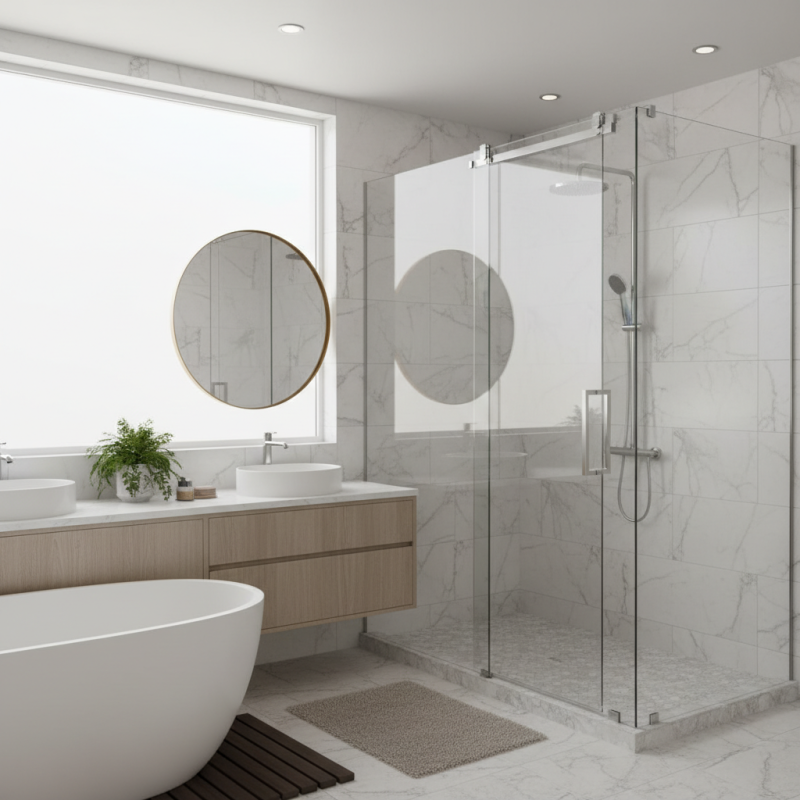
When selecting glass shower doors, understanding the various types available is crucial. Most commonly, frameless doors are favored for their sleek look and modern appeal. According to industry reports, about 70% of homeowners prefer this design. The clean lines enhance any bathroom space, making it feel more open and inviting. However, frameless doors may require proper installation and maintenance to prevent leaks.
Another option is semi-frameless doors. These provide a balance between aesthetic appeal and structural support. They typically feature a metal frame around the edges for added durability. Research indicates that 20% of consumers lean towards this style for its combination of functionality and design. However, the trade-off may be a less minimalistic look compared to fully frameless doors.
Finally, framed shower doors, while often seen as outdated, still hold a place in the market. They are budget-friendly and provide enhanced privacy. Approximately 10% of homeowners still choose framed doors due to their affordability. Nonetheless, they can make a bathroom feel smaller. Each type of door offers unique benefits and drawbacks, emphasizing the need to choose based on personal style and practicality.
Evaluating the Pros and Cons of Framed vs. Frameless Designs
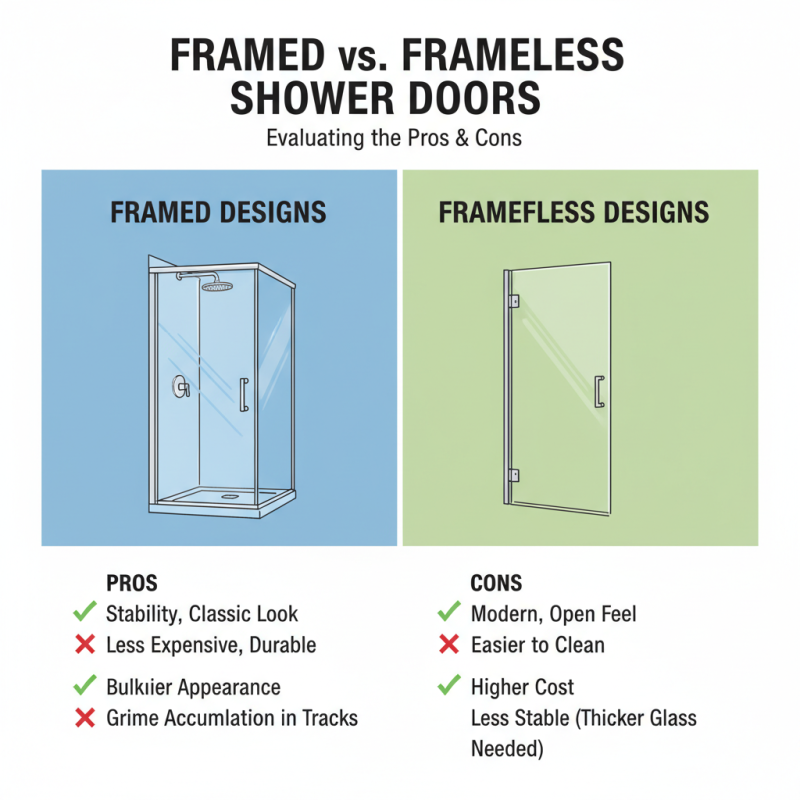
When selecting shower doors, consider framed and frameless designs carefully. Framed doors typically have metal borders, providing stability and a classic look. They are often less expensive and can withstand heavy use. However, they may appear bulkier and can collect grime in the metal tracks.
Frameless doors offer a sleek, modern aesthetic. They create an open feel and make your bathroom appear larger. These doors use thicker glass, enhancing durability. However, they can be more expensive and may require careful installation. Some homeowners find maintenance challenging, as they need frequent cleaning to avoid water spots.
Tips for choosing the right style include evaluating your bathroom size. In smaller spaces, frameless designs can maximize light and openness. Consider the overall décor too; modern bathrooms often suit frameless doors perfectly. Test the door materials if possible. Feeling the weight can help determine quality. Remember to factor in installation costs, which can vary significantly.
Measuring Your Space: Key Dimensions for a Perfect Fit
When selecting glass shower doors, accurate measurements are essential. Begin by determining the width of your shower opening. Use a level to find the highest point of your shower base. This ensures a snug fit that prevents leaks. You may encounter irregularities, which complicate measurements. Always account for at least a quarter-inch of wiggle room for proper installation.
Next, measure the height from the shower floor to the ceiling. If your ceiling is slanted or has fixtures, take additional measurements. Use a helper to hold the measuring tape for more precision. Pay attention to existing features, such as faucets, that could impact door style.
Some may overlook the importance of curvature in walls. A slight bow can lead to gaps. It's wise to reconsider the design if your space is not standard. Custom solutions can address unique challenges, offering both functionality and aesthetic appeal. Every detail matters in achieving the perfect fit for your glass shower doors.
How to Choose the Best Glass Shower Doors for Your Bathroom?
| Dimension |
Measurement (inches) |
Notes |
| Width of Shower Opening |
30 - 60 |
Measure the widest part of the opening. |
| Height of Shower Walls |
72 - 78 |
Standard height may vary; consider your ceiling. |
| Depth of Shower Stall |
30 - 48 |
Important for selecting door type (sliding vs. hinged). |
| Threshold Height |
1 - 2 |
Ensure easy entry and water containment. |
| Glass Thickness |
1/4 - 3/8 |
Select thickness based on durability and style. |
Selecting the Right Glass Thickness for Durability and Safety
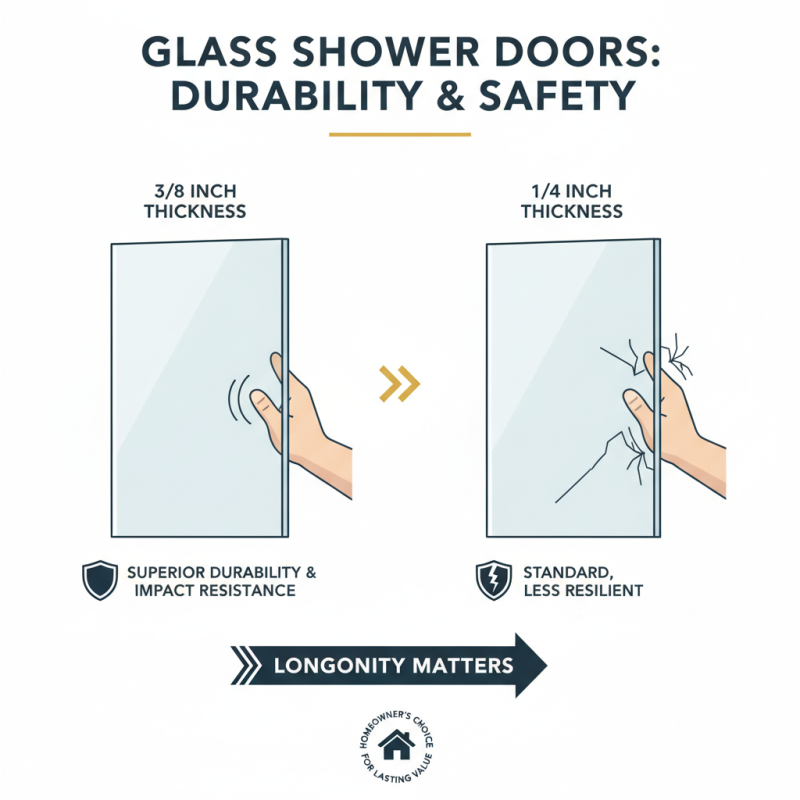
When selecting glass shower doors, the thickness of the glass is crucial for both durability and safety. Typically, glass thickness ranges from 3/8 inch to 1/4 inch. Thicker glass, usually 3/8 inch, offers better durability. It resists impact and stands up to the wear and tear of daily use. Homeowners often overlook this detail, but it can significantly affect the longevity of their shower doors.
On the other hand, 1/4-inch glass can be budget-friendly. However, it may not provide the same level of safety. Thinner glass is more prone to shattering. If you have children or elderly individuals using the shower, this factor is especially important. Consider how your household uses the space. A more robust option could save you from future accidents or costly replacements.
Also, pay attention to the quality of the glass itself. Some glass can have imperfections. Look for clear, tempered glass, as it is stronger and more durable than regular glass. This kind of glass increases safety, especially in wet areas. However, remember that even tempered glass needs proper installation and maintenance. Evaluating these factors will help ensure that you make a safe and practical choice for your bathroom.
Choosing Finishes and Hardware to Complement Your Bathroom Décor
Choosing the right finishes and hardware for glass shower doors can elevate your bathroom’s style. Consider the existing elements in your space. A modern bathroom may benefit from sleek chrome fixtures. Alternatively, a rustic bathroom can shine with brushed bronze or matte black finishes.
When selecting hardware, think about functionality and aesthetic. Handles, hinges, and clamps should complement the glass while ensuring durability. Look for designs that are easy to clean. Avoid overly ornate hardware that distracts from the glass itself. Remember, simple can be beautiful.
Pay attention to the overall theme of your bathroom. Mixing finishes can create visual interest but requires balance. Too many styles can feel chaotic. Aim for harmony while allowing one or two standout pieces to draw the eye. Reflect on what resonates most with your design sense. Choices should reflect both personal style and practical needs, creating a space that is pleasing and functional.