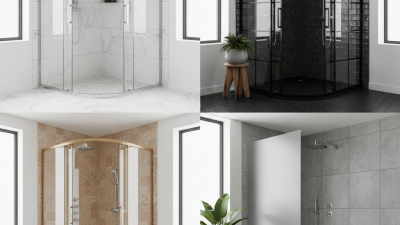
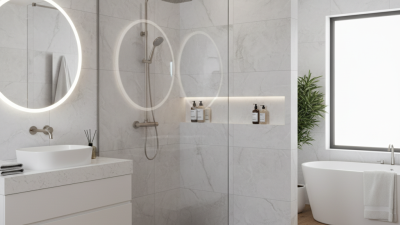
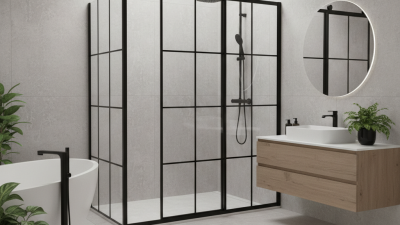
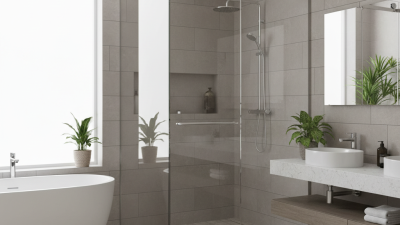
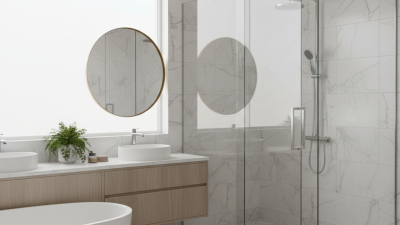
When designing a bathroom, choosing the right shower enclosure is crucial. Expert designer Jane Doe states, “A well-chosen shower enclosure can elevate your entire bathroom experience.” With a variety of options available, it’s essential to consider both form and function. The perfect shower enclosure should fit your space and meet your personal needs.
Many people overlook the importance of size and style. The enclosure should complement your bathroom design and not overwhelm the space. Choosing the wrong size can lead to a cramped feel or wasted space. Additionally, materials and finishes can affect maintenance and aesthetics. Reflecting on these choices can prevent future regret.
Consulting with professionals can provide clarity. However, not every solution is a one-size-fits-all. Take time to explore different designs and ask critical questions. This will ultimately lead to a shower enclosure that reflects your style while serving its purpose effectively.
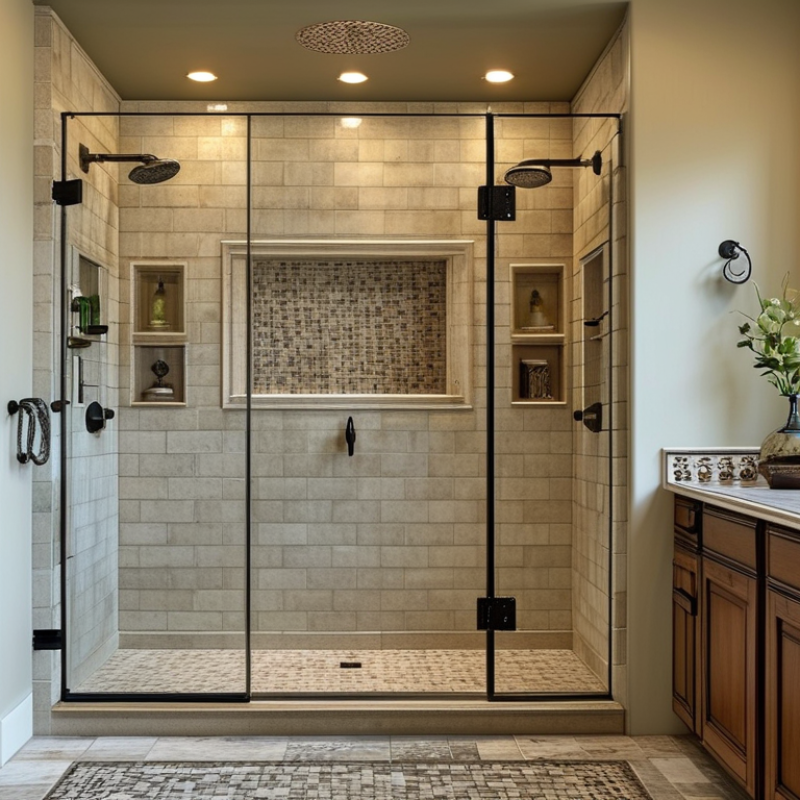
When selecting a shower enclosure, it's essential to understand the various types available. Glass enclosures are popular due to their sleek appearance and easy maintenance. A report from IBISWorld indicates that the glass shower enclosure market is growing steadily, projected to reach $2.3 billion by 2025. This trend reflects a desire for modern bathroom aesthetics.
Framed, semi-frameless, and frameless are the primary types. Framed enclosures offer durability and are typically less expensive. However, they may not provide the same elegance as frameless enclosures, which have become a preferred choice for luxury homes. According to a survey by Statista, about 55% of homeowners who renovated their bathrooms prefer a frameless design. While they are visually appealing, frameless enclosures require perfect installation to prevent leaks.
In addition to design, functionality matters. Some enclosures may limit space or compromise accessibility. Research shows that niche designs can also impact showering experiences. When you invest in a stylish yet functional enclosure, consider these factors carefully. An enclosure should enhance your daily routine, not complicate it. Balancing aesthetics with practicality is vital for a satisfying choice.
| Type of Shower Enclosure | Description | Pros | Cons | Price Range |
|---|---|---|---|---|
| Frameless Shower Enclosure | A modern design with minimal hardware for a sleek look. | Elegant appearance, easy to clean, maximizes space. | Higher cost, less privacy, requires stronger support. | $800 - $2,500 |
| Bi-Fold Shower Enclosure | Doors that fold inwards, saving space in smaller bathrooms. | Space efficient, stylish, easy access. | May not fit larger spaces, hinges can wear over time. | $500 - $1,500 |
| Sliding Shower Enclosure | Doors that slide on tracks, great for narrow spaces. | Easy to use, suitable for smaller bathrooms, modern look. | Tracks can collect water, less access than bi-fold. | $600 - $1,800 |
| Corner Shower Enclosure | Designed to fit into a corner space efficiently. | Maximizes space, available in various styles. | Limited space may feel cramped, placement limits configuration. | $400 - $1,200 |
| Wet Room Shower Enclosure | Open concept where shower and bathroom are one. | Spacious feel, easy access, stylish. | Requires more planning, can be messy, potential water damage. | $1,500 - $5,000 |
When evaluating your bathroom space for the ideal shower enclosure size, you need to consider several factors. According to industry reports, over 50% of homeowners now prefer a larger shower space over traditional bathtubs. This shift indicates a change in lifestyle and design priorities. A comfortable shower enclosure typically requires a minimum width of 36 inches. This size allows for ease of movement and accessibility.
Measure the available space accurately. It's common to underestimate dimensions. Many homeowners find themselves with enclosures too cramped for comfort. Think about your current bathroom layout. If you have a corner location, a neo-angle shower enclosure could be effective. Without proper evaluation, a poorly sized enclosure may impact your overall bathroom flow and usability.
Natural light can enhance your shower experience. If possible, position your shower enclosure near a window. This adjustment can create an inviting atmosphere. In recent surveys, bathrooms with ample natural light are reported to feel larger and more open. Yet, it’s crucial to balance design with functionality. A beautifully designed enclosure needs to fit seamlessly within your space. The layout should reflect your personal needs and habits. Always prioritize comfort in your choices.
Choosing the right material for your shower enclosure can greatly impact both its durability and aesthetic appeal.
Glass is often the preferred choice due to its sleek design and ability to create an illusion of space. Clear or frosted glass can complement various bathroom styles, from modern to traditional. However, keeping it clean requires effort. Water spots and soap scum can accumulate, making maintenance a challenge.
Acrylic is another popular option, known for its lightweight nature and resistance to cracks. It's available in multiple finishes and colors, enhancing the bathroom's appearance. Yet, its surface may scratch more easily compared to glass. This aspect prompts consideration for durability over time, especially in busy households. A thoughtful selection between these materials can shape the shower's lifespan and look.
Metals like aluminum or stainless steel are frequently used for framing. They add a contemporary touch and sturdiness. However, even high-quality metals can tarnish or corrode. Regular cleaning and proper care are vital. Each material has its strengths and flaws, requiring careful assessment to ensure your shower enclosure meets your needs and design vision.
When planning a bathroom renovation, budget considerations are crucial. Shower enclosures can range from affordable to premium options. Identifying your budget early helps narrow your choices effectively. A modest enclosure might start around a few hundred dollars. High-end models can exceed several thousand. Be realistic about what you can afford.
Evaluate the features that matter most. Basic glass panels might be enough for some. Others may want additional features like sliding doors or built-in shelves. These extra features often increase the overall cost. It’s essential to strike a balance between functionality and aesthetic appeal.
Tips: Consider consulting with professionals. They can provide insight into the best options within your budget. Installing a shower enclosure yourself may save money, but errors can lead to costly repairs. Always account for installation costs in your total budget. Factor in potential future maintenance too. A less expensive option might incur higher costs down the line.
When choosing a shower enclosure, the design and style are crucial. A well-matched enclosure can elevate the entire bathroom decor. Consider the overall aesthetic of your space. If your bathroom has a modern vibe, opt for sleek lines and clear glass. For a more traditional look, framed enclosures with decorative details work well.
Tips: Choose a color palette that complements existing fixtures. Neutral tones like white or gray are versatile. They enhance light and create an illusion of space. If your decor is bold, consider a simpler enclosure to balance the look.
Pay attention to the size of your enclosure. A too-small shower can feel cramped; a too-large one may overpower the room. Measure carefully. Think about how the enclosure fits with the rest of your bathroom elements, such as tiles and countertops. Creating harmony is key.
Tips: Adding decor elements like shelves or plants near the enclosure can enhance the aesthetic. Ensure these accents do not overcrowd the space. Reflect on how your chosen style makes you feel. The goal is comfort and beauty in your daily routine.