2026 Top Steam Shower Room Features Buyers Should Know?
In recent years, the popularity of the Steam Shower Room has surged among homeowners seeking relaxation and wellness. These innovative fixtures combine the benefits of a traditional shower with steam therapy, creating a spa-like experience at home. As we look ahead to 2026, understanding key features of a steam shower becomes essential for making informed purchasing decisions.
When considering a steam shower room, it’s crucial to evaluate several elements. The size and design should suit your bathroom space and personal style. Features like adjustable steam settings and built-in lighting can enhance your bathing experience. Additionally, materials used in construction must ensure durability and safety.
Navigating the market can be daunting, with numerous brands and models available. It’s important to focus on quality and functionality rather than just aesthetics. Some steam shower rooms may lack efficiency or offer complicated controls. Buyers should research and read reviews before deciding. Remember, investing in a steam shower room is not just about luxury; it’s about creating a sanctuary for relaxation and self-care.
Key Trends in Steam Shower Room Design for 2026
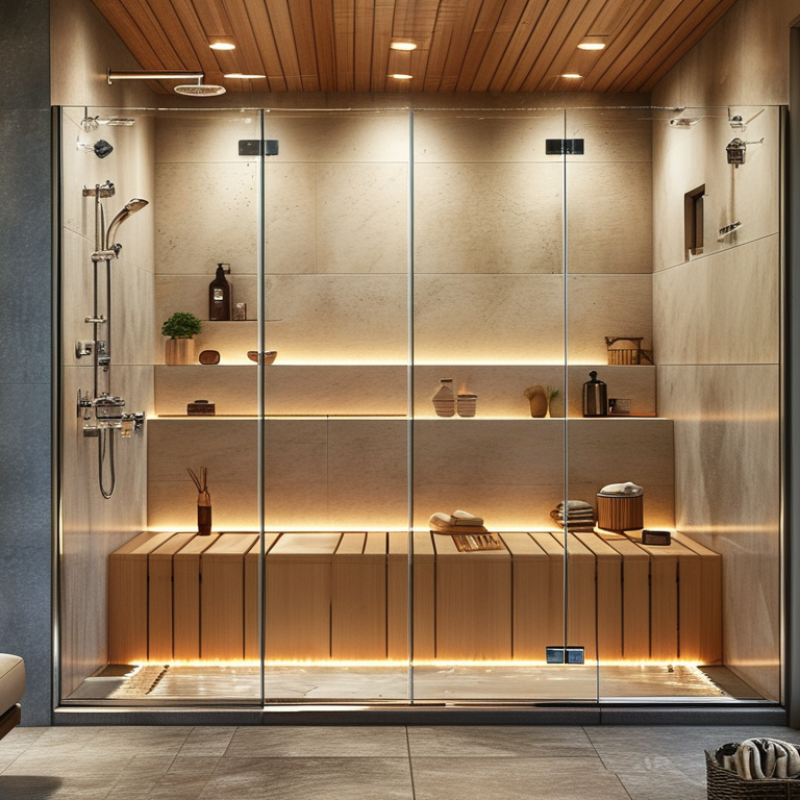
In 2026, steam shower room design will focus on creating tranquil spaces. The emphasis will be on natural materials such as stone and wood. These elements promote a calming atmosphere. Consumers desire a seamless blend of functionality and aesthetics. Dual-purpose fixtures will become popular, offering both utility and style.
Another trend involves advanced technology integration. Smart controls for temperature and lighting enhance the shower experience. Users can customize settings to their preferences. Some experts suggest that optimizing these features can improve relaxation and wellness. However, navigating technology can be overwhelming for some.
Moreover, sustainability plays a crucial role in design choices. Eco-friendly materials and water-saving options are becoming essentials. Buyers want products that align with their values. Yet, the challenge remains in balancing luxury and environmental impact. How to choose sustainable options without sacrificing quality? This remains an ongoing conversation in the industry.
Essential Features for Optimal Steam Generation in Shower Rooms
When designing a steam shower room, optimizing steam generation is key. Effective steam generation relies on the right heater. Look for a reliable, high-capacity unit that heats quickly. The heater should maintain a consistent temperature throughout the session. Inconsistent heat can disrupt relaxation.
Ventilation is equally important. Proper ventilation prevents mold and dampness. Consider integrating a fan that activates automatically when the steam starts. This feature helps in maintaining air quality and comfort. It's also vital that the steam room has a tight seal. Gaps can let steam escape, wasting energy.
Temperature control is another essential feature. A precise thermostat allows users to set their desired heat level. It should be easy to use and positioned where it’s accessible. Also, add features like mood lighting. Soft lighting enhances the experience. Don't neglect the exterior materials. They should resist moisture and be easy to maintain. These details contribute significantly to the overall enjoyment and functionality of the steam shower.
2026 Top Steam Shower Room Features Buyers Should Know
| Feature |
Description |
Importance Level |
| Steam Release Control |
Allows users to adjust the steam release for personalized experience. |
High |
| Adjustable Temperature Settings |
Enables users to choose their preferred steam temperature for comfort. |
High |
| Built-in Aromatherapy System |
Creates a spa-like atmosphere with essential oils and scents. |
Medium |
| Waterproof Sound System |
Integrated speakers for music or entertainment while showering. |
Medium |
| Easy-to-Clean Surfaces |
Materials that are resistant to mold and easy to maintain. |
High |
| Digital Control Interface |
User-friendly controls for an intuitive experience. |
High |
| Lighting Options |
Adjustable ambient lighting to enhance relaxation. |
Medium |
Comparative Analysis of Steam Shower Room Materials and Durability
When considering a steam shower room, material selection plays a crucial role in both durability and function. Many buyers overlook the significance of construction materials. Common choices include glass, acrylic, and tile. Each material has unique strengths and weaknesses. For example, glass offers a sleek design but may require more maintenance. On the other hand, tile is durable but can be prone to grout issues.
Durability is often linked to the quality of materials used. Acrylic is lightweight and resistant to cracking, but it may discolor over time. Tile can withstand high temperatures and humidity. However, it can be labor-intensive to install. When evaluating options, consider long-term maintenance. The more durable the material, the less you need to worry about repairs in the future. Be mindful, too, that aesthetics shouldn’t compromise functionality.
Buyers sometimes focus heavily on design while neglecting practicality. Appearance is important, but your steam shower should effectively serve your needs. A well-designed space requires materials that can endure daily use. Some steam shower rooms have suffered from inferior installations. This can lead to leaks or mold growth. Researching the pros and cons of each material is essential. Understanding what works best for your lifestyle can lead to a more satisfying investment.
Top Technological Advancements Enhancing Steam Shower Experience
The steam shower experience has evolved significantly, thanks to recent technological advancements. One notable feature is the integration of smart controls. Users can now customize steam temperature, duration, and even lighting through mobile apps. This convenience allows for a personal touch. The interface is often user-friendly, but some may find it overwhelming.
Another exciting development is the use of advanced materials in steam shower construction. Newer models boast better insulation and durability. This helps maintain steam efficiency, ensuring a relaxing experience. However, it’s essential to regularly check for wear and tear. Neglecting maintenance can lead to reduced performance.
Aromatherapy functionalities are also gaining popularity. Inhaling soothing scents during a steam session enhances relaxation. However, users should choose essential oils carefully. Some oils may cause irritation or allergic reactions. Each feature has its pros and cons. Reflecting on these can lead to a more informed purchase decision.
Health Benefits of Steam Showers: Insights from Industry Research
Steam showers have garnered attention for their health benefits, supported by various industry studies. Research indicates that regular steam exposure may enhance respiratory function. A study published in the *Journal of Environmental Health* found that steam inhalation can alleviate symptoms of asthma and bronchitis. This provides a compelling reason to consider steam showers for improved lung health.
Additionally, steam showers may aid in detoxification. According to a report by the *International Journal of Dermatology*, sweating in high-humidity environments helps remove toxins from the skin. This process can rejuvenate your complexion and improve overall skin health. Most users report feeling refreshed and revitalized after sessions. This can be particularly beneficial in today’s polluted environment.
Furthermore, steam therapy can promote relaxation and reduce stress levels. The American Psychological Association highlights that hydrotherapy, including steam showers, can lower cortisol levels. Lower stress leads to better overall health. It is essential to reflect on the accessibility of these benefits. While steam showers offer many advantages, they may not be suitable for everyone. Certain health conditions could be contraindications, making it vital to consult with a healthcare provider before use.
2026 Top Steam Shower Room Features Buyers Should Know
This chart illustrates the importance of various features of steam shower rooms based on industry insights. Health benefits are the most valued aspect, followed by technology integration and energy efficiency, indicating modern buyers' preferences towards wellness and advanced functionalities.