Sliding Door Shower Glass Buying Guide for Global Shoppers?
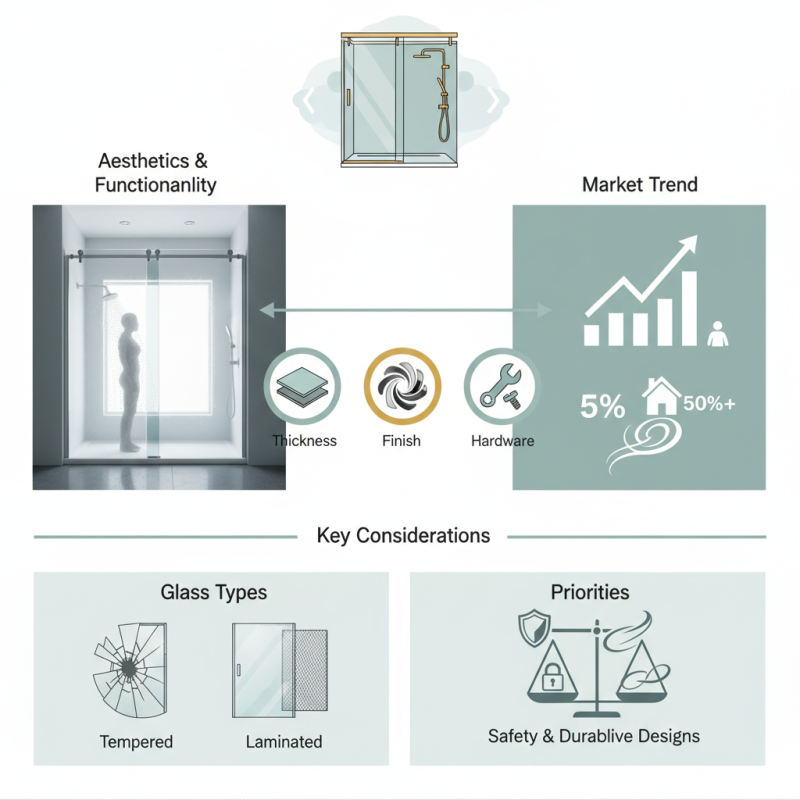
Choosing the right "Sliding Door Shower Glass" can significantly impact your bathroom's aesthetics and functionality. According to a report by the Freedonia Group, the demand for glass shower doors is expected to grow by 5% annually, reflecting a shift towards modern bathroom designs. As homeowners increasingly prioritize style and quality, the popularity of sliding door systems has surged.
However, selecting the ideal sliding door shower glass is complex. Factors such as thickness, finish, and hardware must be considered carefully. The National Association of Home Builders noted that over 50% of new homebuyers prefer glass shower enclosures, which offers both elegance and an open feel. Yet, not all products meet the high standards expected by consumers.
It's essential to educate yourself on the varying types of glass available and their distinct benefits. Understanding the difference between tempered and laminated glass contributes to smarter buying decisions. Remember, while attractive designs are crucial, safety and durability should never be compromised. In an industry where trends evolve swiftly, becoming informed and discerning can help buyers avoid common pitfalls.
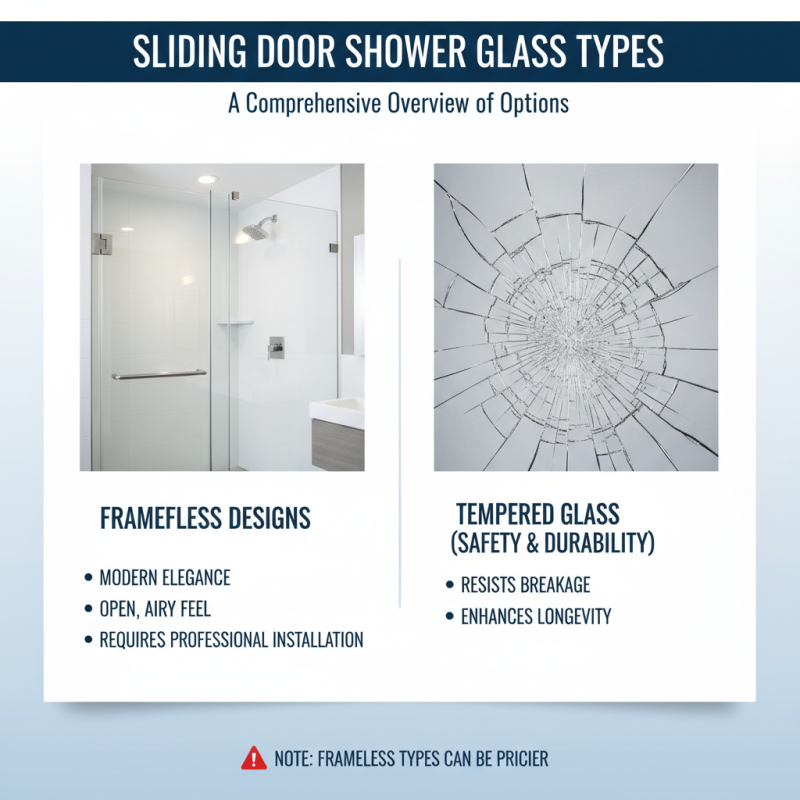
Sliding Door Shower Glass Types: A Comprehensive Overview of Options
When choosing sliding door shower glass, understanding the types available can make all the difference. Frameless designs offer modern elegance. They create an open, airy feel in the bathroom. Tempered glass provides safety and durability. It resists breakage and enhances longevity. Be aware that frameless types can be pricier. Their installation requires professional help.
Framed shower glass is another option. It features aluminum or metal frames. This type adds structure and support. It can be more affordable than frameless glass. However, framed options may look less sleek. Also, water can accumulate in the frames, leading to a buildup of grime.
Textured glass delivers privacy while maintaining light flow. It's perfect for shared spaces. On the other hand, clear glass can open small bathrooms. Explore tinted glass for a customizable look. Decisions can feel overwhelming. Take time to visualize how each type fits in your space. Consider how often you clean and maintain. The right choice balances aesthetics with functionality.
Key Factors to Consider When Buying Sliding Door Shower Glass
When choosing sliding door shower glass, several key factors are essential. The size of your shower space is crucial. Measure the area to ensure a perfect fit. A gap can lead to water leaks. Consider the thickness of the glass. Thicker glass is usually more durable and resistant to impacts.
Tips: Always opt for safety glass. It minimizes the risk of shattering. Look for a reputable supplier that meets safety standards. The finish of the glass also matters. Clear glass provides a spacious feel. Frosted glass offers privacy without sacrificing style.
Another factor is the door mechanism. Assess if you prefer a bi-fold or bypass door. Each has its pros and cons. Also, consider the style of your bathroom. The design should complement your existing decor. A mismatch can make the space feel disjointed.
Tips: Think about easy maintenance. Sliding doors can attract dirt and grime. Choose a finish that is easy to clean. Budget considerations are vital too. Sometimes, spending more upfront pays off in the long run. Reflect on long-term usability versus immediate costs.
Industry Standards and Regulations for Shower Glass Thickness and Safety
When selecting sliding door shower glass, understanding industry standards is crucial. The thickness of shower glass plays a key role in both safety and durability. Common standards require a minimum thickness of 3/8 inch for tempered glass. This thickness helps prevent breakage and ensures structural integrity.
Safety regulations dictate rigorous testing for shower glass. Tempered glass must endure high pressure and rapid temperature changes. Manufacturers follow specific processes to create glass that can withstand daily use. Some glass may meet standards, but not all products guarantee the same level of safety.
Buyers should also consider the installation process. Proper installation is vital for maximizing strength. Even the best glass can fail if improperly fitted. When evaluating options, pay attention to installation instructions and consult professionals if unsure. It's essential to reflect on both the product and how it will be used. Your choice may impact daily comfort and safety.
Material Comparisons: Tempered Glass vs. Laminated Glass in Showers
When considering sliding door shower glass, the choice between tempered and laminated glass is crucial. Tempered glass is processed through extreme heat. This makes it five to six times stronger than regular glass. When broken, it shatters into small, blunt pieces, reducing the risk of injury. A report by the Glass Association states that over 80% of shower glass incidents involve non-tempered glass.
Laminated glass, on the other hand, consists of two or more glass layers bonded by a plastic interlayer. This creates a strong barrier and ensures that shards remain stuck to the interlayer upon breaking. According to architectural industry standards, laminated glass is often recommended in high-traffic areas. It offers an element of safety, especially in families with children. However, it is typically heavier and may require more robust support.
While both options provide durability, each has pros and cons. Tempered glass is lightweight and can be easier to install. However, it can be more susceptible to thermal stress if not properly handled. Laminated glass may offer better safety features, but its weight could complicate installation in smaller bathrooms. Careful consideration is essential for your unique needs and space constraints.
Cost Analysis: Budgeting for Quality Sliding Door Shower Glass Solutions
When considering sliding door shower glass, budgeting is essential. High-quality materials come with a price, but they often provide better durability and aesthetics. A typical range for shower glass starts at around $300 and can exceed $1,000. This variance can make selecting the right option challenging.
Investing in quality means less frequent replacements. Cheaper options might crack or deteriorate faster. However, some lower-priced choices might still serve well with proper care. Researching various types can help you weigh the long-term benefits against upfront costs. Visualize the difference in finish and clarity among different glass types.
It's beneficial to include installation costs in your budget. Many homeowners underestimate these fees, which can add $200 to $500 more to the total. Carefully calculating your expectations ensures a smoother process. Taking time to understand the market can prevent overspending. It’s essential to strike a balance between quality and affordability.