How to Choose the Right Shower Sliding Door Glass for Your Bathroom?
When renovating a bathroom, choosing the right Shower Sliding Door Glass is crucial. This decision impacts both functionality and aesthetics, making it vital to understand industry standards and options. According to a report by the National Kitchen and Bath Association, 83% of homeowners prioritize shower features in their remodels. Expert designer Jane Holloway emphasizes, "A well-chosen sliding door enhances both space and value."
The market offers numerous glass types, including tempered and frosted options. Each type has unique benefits tailored to various bathroom styles. For instance, tempered glass is known for its safety and durability, while frosted glass provides privacy without sacrificing light. Yet, many homeowners overlook how these choices affect upkeep and ambiance.
Understanding installation requirements is also essential. An improperly installed Shower Sliding Door Glass can lead to frustrating leaks or breakage. As you explore your options, consider longevity, maintenance, and fitting styles. Reflecting on these factors will ensure your selection aligns with both your aesthetic desires and practical needs.
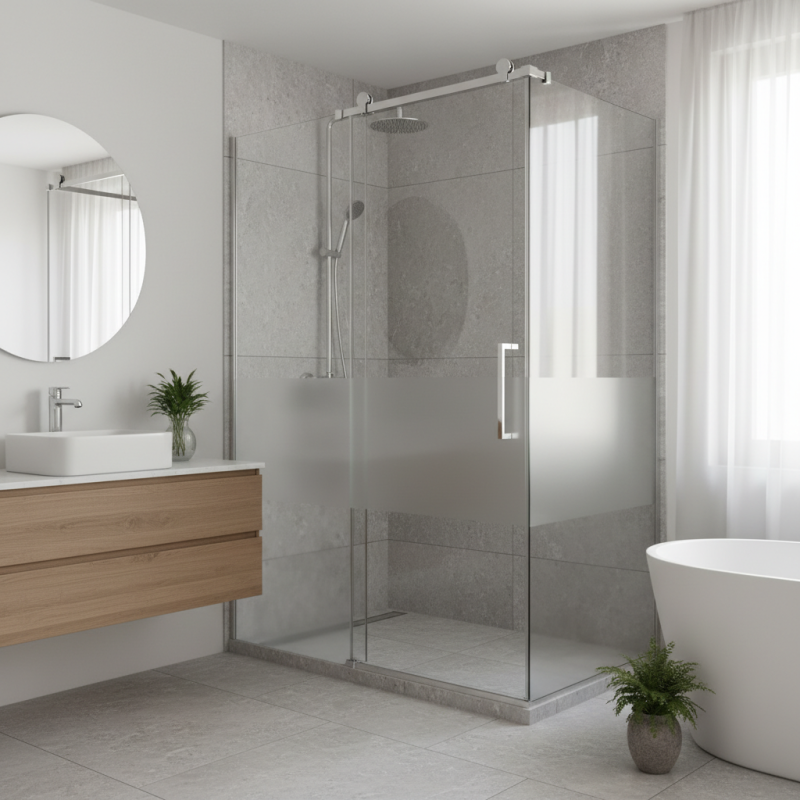
Understanding Different Types of Shower Sliding Door Glass Available
When selecting shower sliding door glass, understanding the options is crucial. There are mainly three types of glass: frosted, clear, and patterned.
Frosted glass provides privacy while allowing light to filter through. It’s ideal for small bathrooms where openness feels limited. Clear glass gives a modern look, showcasing tilework and creating an illusion of space. However, it requires regular cleaning to maintain clarity. Patterned glass adds character without sacrificing privacy.
Tips: Consider your bathroom's theme. If you have a contemporary style, clear glass may fit well. For a cozy, traditional feel, frosted or patterned glass might be more appropriate. Think about maintenance, too. Clear glass can highlight water spots; frosted glass may hide them but can still accumulate soap scum.
Another factor to consider is thickness. Thicker glass offers durability and a high-end feel, while thinner options are lighter and often less expensive. However, they may not withstand impacts as well. Reflect on how much use your bathroom gets. Frequent users might benefit from sturdier options.
Factors to Consider When Choosing Shower Sliding Door Glass
When selecting the right shower sliding door glass, multiple factors come into play. Transparency is crucial. Opt for glass that offers clarity while maintaining a modern aesthetic. Research indicates that clear tempered glass is among the most popular choices, providing both style and safety. It’s more durable than ordinary glass, withstanding significant pressure and temperature changes. Modern homeowners often prioritize this durability, as reported by industry experts showing that over 70% of consumers seek robust materials in their bathroom renovations.
Another important aspect is thickness. Standard shower doors typically range from ¼ inch to ½ inch in thickness. Thicker glass, while pricier, often feels more substantial and is less prone to flexing. This slight elevate in cost can translate to enhanced durability and a premium look. Many designers suggest testing the feel of various thicknesses to determine personal preferences. Practical design should align with functionality. Potential buyers may overlook the benefits of proper sealing. A well-sealed door minimizes water leakage and condensation, ensuring longevity and maintaining the bathroom's hygiene.
Lastly, consider the style and finish of the glass. The texture can add a personal touch to your bathroom, but it may require some maintenance. Matte finishes can hide water spots better than clear glass, but they can also accrue grime with time. Finding the right balance between aesthetics and practicality is essential. An informed choice will lead to greater satisfaction in your bathroom's long-term appeal.
Evaluating Safety and Durability in Shower Door Glass Options
When choosing shower sliding door glass, safety and durability are paramount. According to the American National Standards Institute (ANSI), tempered glass is recommended due to its strength. This glass can withstand temperature changes and impact. A report by the Glass Association highlights that tempered glass can be up to five times stronger than regular glass, making it an ideal choice.
Additionally, coatings can enhance safety. Anti-slip technology is emerging, adding protection against slips. In a recent industry survey, over 70% of homeowners stated that safety features significantly influence their purchase decisions. However, it is essential to note that even tempered glass can shatter under extreme conditions. This potential risk must be taken into account when making a decision.
Durability also involves maintenance. Glass surfaces can show water spots and stains. Regular cleaning and proper installation can help maintain clarity, but many homeowners struggle to keep up with this upkeep. Research shows that neglecting maintenance can lead to premature wear. Thus, weighing the long-term care requirements of shower sliding doors is crucial for any bathroom renovation.
How to Choose the Right Shower Sliding Door Glass for Your Bathroom? - Evaluating Safety and Durability in Shower Door Glass Options
| Glass Type |
Thickness (mm) |
Safety Rating |
Durability |
Cost ($ per sq. ft.) |
| Tempered Glass |
6-10 |
High |
Very Good |
20-35 |
| Laminated Glass |
8-12 |
Very High |
Excellent |
30-50 |
| Acrylic |
5-7 |
Moderate |
Good |
15-25 |
| Frameless Glass |
10-12 |
High |
Very Good |
40-70 |
| Frosted Glass |
6-10 |
High |
Good |
25-45 |
Aesthetic Considerations for Shower Sliding Door Glass Designs
When selecting shower sliding door glass, aesthetics play a crucial role. The design should complement your bathroom's overall theme. Clear glass offers a modern touch, allowing light to flow freely. It can make small bathrooms appear larger. On the other hand, frosted glass provides privacy while adding a soft, elegant aesthetic.
Consider the frame's finish as well. Chrome, matte black, or brushed nickel can change the room's look. Each option creates a different vibe. A sleek, contemporary frame can enhance the clean lines of modern decor. Meanwhile, a more ornate frame might suit traditional styles. Sometimes, the choices can feel overwhelming.
Texture can also impact the design. Textured glass adds visual interest. It can break up the monotony of flat surfaces. Choosing a design can involve reflection on your preferences. It requires balancing functionality with style. Experimenting with different options can be beneficial. Ultimately, the goal is to create a soothing space that reflects personal taste.
Tips for Maintaining Shower Sliding Door Glass for Longevity
Maintaining shower sliding door glass is essential for its longevity. Regular cleaning should be a priority. Use a gentle, non-abrasive cleaner to avoid scratches. Soft cloths are ideal. This prevents grime buildup that clouds the glass and leads to costly replacements.
Avoid harsh chemicals. They can damage seals and other components. Instead, consider using a mixture of vinegar and water. This solution effectively removes soap scum while being safe for the glass. After cleaning, wipe the glass dry to prevent water spots.
Also, inspect the rollers and tracks periodically. These areas often collect debris. A quick wipe can prevent future issues. If you notice any rust or corrosion, address it immediately. Delaying repairs could lead to more significant problems. Taking small steps ensures that your sliding door glass remains in excellent condition for years.
Shower Sliding Door Glass Maintenance Tips