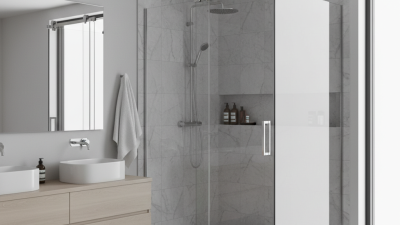
Best Tub And Shower Doors Options for Your Bathroom Upgrade?
Upgrading your bathroom is an exciting task. One key element to consider is the choice of Tub And Shower Doors. These doors not only enhance the visual appeal of your space but also improve functionality. Selecting the appropriate design can transform a mundane bathroom into a relaxing retreat.
Many homeowners face challenges when choosing the right Tub And Shower Doors. With various styles, materials, and sizes available, making a decision can be overwhelming. It's important to consider both aesthetics and practicality. For instance, frameless glass doors offer a modern look but may require more maintenance compared to framed options. Additionally, space constraints can limit your choices, prompting reflection on how effectively your design meets your needs.
Ultimately, the right Tub And Shower Doors can elevate your entire bathroom experience. It’s crucial to balance style, durability, and ease of cleaning. By being mindful of these factors, you’ll ensure your upgrade is both beautiful and functional.
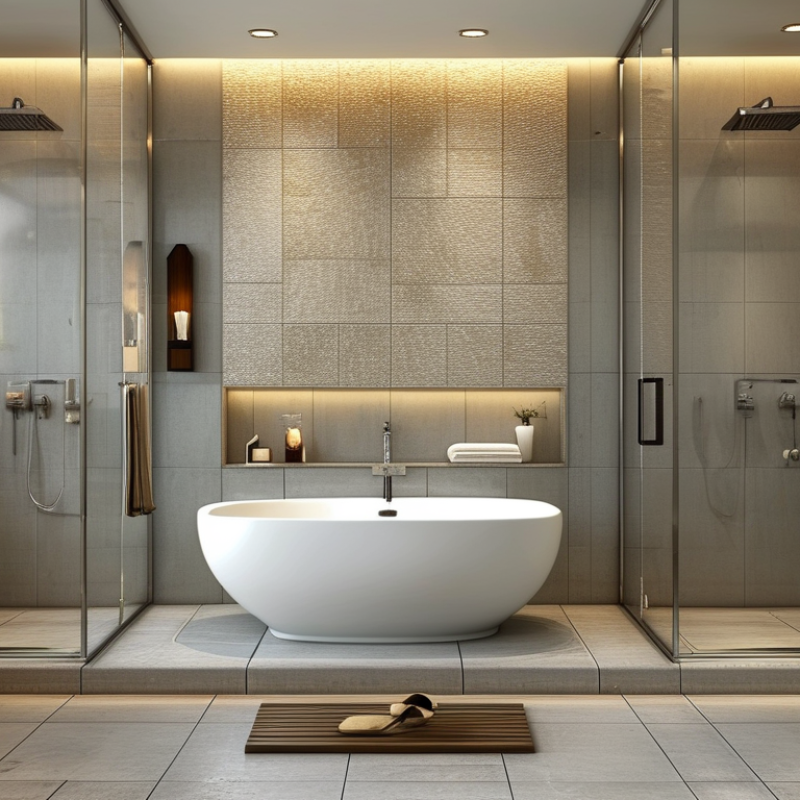
Factors to Consider When Choosing Tub and Shower Doors
When choosing tub and shower doors, several factors play a crucial role. The available space in your bathroom greatly influences your decision. For small bathrooms, bi-fold doors or curved enclosures can save space. Larger bathrooms may accommodate more extravagant designs like sliding doors, adding an elegant touch. Height and width are vital measurements. Ensure the doors fit snugly in the designated area without limiting access or natural light.
Material selection is another consideration. Glass is popular for its modern look and durability. However, it may require regular cleaning to keep it streak-free. Acrylic doors are lighter and often easier to maintain but may not offer the same aesthetic appeal. Reflect on your lifestyle and preferences when making the choice. You may prefer a sleek, low-maintenance option or a design that showcases your personal style. Hardware quality also matters. Verify that the hinges and handles are sturdy and resistant to wear, as these components will see frequent use.
Best Tub And Shower Doors Options for Your Bathroom Upgrade?
| Feature |
Type |
Material |
Price Range |
Ease of Installation |
| Frameless Shower Door |
Shower |
Tempered Glass |
$800 - $1,500 |
Moderate |
| Sliding Shower Door |
Shower |
Glass/Aluminum |
$400 - $1,000 |
Easy |
| Bifold Shower Door |
Shower |
Glass/Aluminum |
$300 - $800 |
Easy |
| Curtain System |
Tub |
Fabric/Plastic |
$25 - $100 |
Very Easy |
| Framed Tub Door |
Tub |
Glass/Aluminum |
$350 - $750 |
Moderate |
Popular Materials for Tub and Shower Doors
When considering new tub and shower doors, the choice of materials greatly influences both aesthetics and functionality. Glass is a popular option. It's sleek and modern. Clear glass creates an open feel, while frosted glass offers privacy. However, glass can be heavy and hard to clean. If not maintained, it can lead to soap scum build-up and water spots.
Another common choice is vinyl. Vinyl is often more budget-friendly. It comes in various colors and styles. However, it may not be as durable as glass. Over time, vinyl can fade or become brittle in high humidity. This can detract from the overall look of your bathroom.
Metal is also a viable option for tub and shower doors. It adds a touch of elegance, with choices like brushed nickel or chrome. However, metal can corrode over time, especially in wet environments. Regular maintenance is essential to keep it looking its best. Each material has its advantages and drawbacks. It’s vital to weigh these factors carefully to find the right fit for your bathroom upgrade.
Best Tub And Shower Doors Options for Your Bathroom Upgrade
Different Styles and Designs of Tub and Shower Doors
When considering tub and shower doors for a bathroom upgrade, various styles and designs play a crucial role.
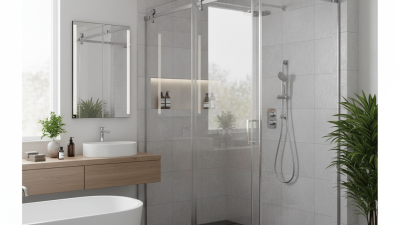
Sliding doors are popular for their space-saving features. They glide smoothly along a track. This design is ideal for smaller bathrooms where every inch counts. According to a recent industry report by the National Kitchen and Bath Association (NKBA), over 50% of homeowners prefer sliding doors due to their modern aesthetics and practicality.
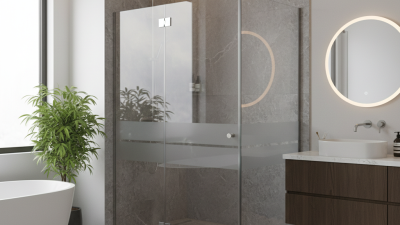
Bi-fold doors are another option. They provide a chic touch while being functional. This design folds inwards, minimizing the space needed when open.
Furthermore, the NKBA report noted a significant trend: bi-fold doors are increasingly chosen for contemporary bathroom designs. However, installation can sometimes be tricky, and improper fitting may lead to water leakage concerns. Homeowners have reported mixed experiences with this style, highlighting aspects they wish they had considered more thoroughly.
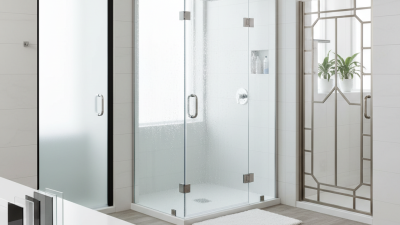
Frameless shower doors offer a minimalist look. They create a seamless transition between the shower and the bathroom. This design can make the space feel larger and more inviting.
Although frameless doors are more expensive, they are highly sought after for high-end renovations. Yet, users often reflect on the maintenance required. They might require more frequent cleaning to maintain clarity and shine. Each style has unique attributes, and consideration of these details is vital for a successful upgrade.
Installation Tips for Tub and Shower Doors
Installing tub and shower doors can greatly enhance your bathroom's functionality and aesthetic. Before you dive in, gather all necessary tools and materials. A level, measuring tape, and a silicone sealant are essential. Ensuring you have everything at hand can prevent delays.
One common pitfall is misaligning the doors during installation. Make sure to measure twice before cutting. Pay close attention to your space measurements. If the doors are too wide or too narrow, adjustments can be tricky. Also, consider the type of doors you choose. Frameless options look sleek but may require more precise installation.
Check for any existing damage in your bathroom. Addressing any issues prior to installation is crucial. Leaks can lead to costly repairs later. Before sealing the doors, ensure they close tightly. A small gap can lead to water damage over time. It’s essential to reflect on your project and make adjustments as needed during installation.
Maintenance and Cleaning of Tub and Shower Doors
Cleaning tub and shower doors regularly is essential for longevity and appearance. Soap scum and mineral deposits can accumulate quickly. To maintain clarity, consider the material of your doors. Glass doors require different care than acrylic ones. Use a soft cloth or sponge to avoid scratching.
For effective cleaning, a mixture of vinegar and water works wonders. Spray it on the surfaces and let it sit for a few minutes before wiping. This solution targets tough stains without harsh chemicals. After cleaning, rinse the doors thoroughly. This prevents residue buildup and maintains shine.
One common mistake is neglecting the tracks and seals. These areas can trap grime and mold. Regularly inspect them and remove debris. A small brush can help reach tricky spots. For the best results, think about a weekly maintenance routine. This will enhance your bathroom’s appearance and provide a pleasant shower experience.