Top 10 Bathroom Sliding Door Styles for Modern Homes?
When considering modern home designs, a Bathroom Sliding Door can significantly elevate aesthetic appeal and functionality. According to John Smith, an expert in interior design, "A well-chosen sliding door transforms a bathroom into a stylish retreat." This highlights the profound impact of the right door choice on a space.
Sliding doors are versatile. They save space and enhance accessibility. In smaller bathrooms, they can create an illusion of openness. Various styles exist, from sleek glass to rustic barn doors. Each offers unique benefits. Selecting the right style can be overwhelming. One must consider the overall décor and personal preference.
Not every Bathroom Sliding Door fits all spaces perfectly. Some designs might clash with existing themes or may not offer enough privacy. Reflecting on these factors ensures a successful selection. Choosing a sliding door is both an art and a science, demanding careful thought and planning.
Top Trends in Bathroom Sliding Door Styles for Modern Homes
Bathroom sliding doors are gaining popularity in modern homes. They offer a blend of style and functionality. With a variety of designs available, homeowners can find options that fit their unique tastes.
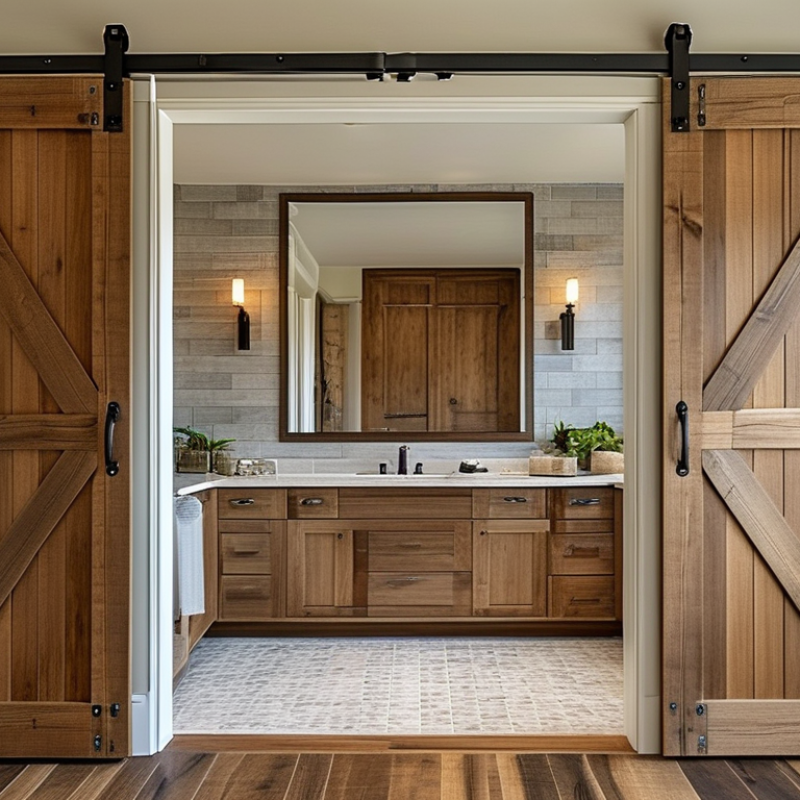
One emerging trend is the use of frosted glass. This material allows light to flow into the bathroom while preserving privacy. The sleek look enhances any contemporary design. Wood sliding doors also remain a classic choice. They add warmth and a natural feel to the space. Consider mixing materials for a more eclectic style—pair glass with metal elements for an eye-catching contrast.
However, not every sliding door works perfectly in every setting. It’s crucial to measure your space accurately. A poorly fitting door can lead to functional issues over time. The track system is another area that deserves attention. While some designs offer a seamless look, they might require more maintenance. Balancing aesthetic appeal with practicality is key. Each choice carries its benefits and drawbacks, so thoughtful consideration is necessary.
Key Materials Used in Contemporary Sliding Bathroom Doors
When choosing sliding bathroom doors for modern homes, it's essential to consider the materials used. Glass is a popular option. It brings a sleek, contemporary feel. Clear or frosted glass can enhance privacy. However, fingerprints and water spots can pose a maintenance challenge.
Wood is another stylish choice. It adds warmth to the bathroom. Popular types include oak and teak. These woods are durable and water-resistant. Yet, they can be heavier and may require more support. Metal frames are often combined with glass. They provide a modern touch, but rust can be an issue without proper treatment.
Each material has its pros and cons. You might love the look of glass but dread the cleaning. Or, you may prefer the sturdiness of wood but worry about weight. Ultimately, the right choice depends on your space and style preference. Balancing aesthetics and practicality is key.
Space-Saving Benefits of Sliding Doors in Bathroom Design
The integration of sliding doors in bathroom design presents impressive space-saving solutions. According to a report by the American Institute of Architects, bathroom renovations have become a top priority, with 65% of homeowners seeking efficient designs. Sliding doors can maximize space, especially in smaller bathrooms. Unlike traditional doors, which swing open, sliding doors allow for unobstructed flow. This can make a small area feel larger and more inviting.
Practically, the use of sliding doors minimizes the footprint of the bathroom. Bathrooms often have tight spots, where every inch counts. A sliding door can fit snugly within these spaces, avoiding the need for extra clearance. This is particularly beneficial in urban homes, where space is limited. However, it’s crucial to focus on the quality of materials and installation to avoid common issues, like door misalignment or track wear.
Despite their advantages, some homeowners may overlook the maintenance needs of sliding doors. Tracks can accumulate dust and debris, potentially hindering smooth operation. Regular cleaning and occasional adjustments are necessary to maintain functionality. Moreover, while modern designs are aesthetically pleasing, choices must align with the overall theme of the home. A mismatch can lead to visual discord, detracting from the intended ambiance. Balancing style and practicality requires careful consideration.
Top 10 Bathroom Sliding Door Styles for Modern Homes
| Style |
Material |
Glass Type |
Width (inches) |
Benefits |
| Frameless Glass |
Glass |
Clear |
24-36 |
Maximizes light, sleek look |
| Aluminum Frame |
Aluminum + Glass |
Frosted |
28-40 |
Durable, modern design |
| Wooden Sliding Door |
Wood |
N/A |
30-48 |
Warmth, natural aesthetic |
| Mirrored Sliding Door |
Mirror + Wood |
Mirror |
30-36 |
Creates illusion of space |
| Vinyl Sliding Door |
Vinyl |
Frosted |
24-36 |
Low maintenance, energy-efficient |
| Bifold Glass Door |
Glass + Aluminum |
Clear |
30-48 |
Space-saving, stylish |
| Rustic Barn Door |
Wood |
N/A |
30-42 |
Charming, unique design |
| Louvered Sliding Door |
Wood or Vinyl |
N/A |
28-36 |
Ventilation, stylish |
| Folding Glass Door |
Glass |
Clear |
30-48 |
Modern appeal, maximizes light |
| Sliding Pocket Door |
Wood or Glass |
Varies |
24-36 |
Discreet, saves floor space |
Comparative Analysis of Glass vs. Wood Sliding Doors for Bathrooms
When choosing sliding doors for bathrooms, both glass and wood options offer unique benefits and challenges.
Glass sliding doors create a sense of openness. They allow natural light to flood the space, making the bathroom feel larger. Clear or frosted glass options are popular for privacy while still letting light through.
However, they require regular cleaning to maintain clarity. Water stains and soap scum can accumulate, leading to a need for frequent upkeep.
Wood sliding doors charm with warmth and texture. They can add a cozy feel to the bathroom. Various wood types provide different aesthetics, from rustic to modern designs. Yet, wood is susceptible to moisture damage. Proper sealing and ventilation are crucial to prolong its life.
Warping or rotting can occur in damp environments if not monitored. Homeowners might also face challenges in matching wood tones with existing fixtures.
Ultimately, the choice between glass and wood hinges on personal preference and practical considerations. Each option has its merits and potential drawbacks. Finding a balance between style and functionality is essential for enhancing your bathroom's appeal.
Installation Considerations for Optimal Functionality of Sliding Doors
When considering the installation of sliding doors in a modern bathroom, attention to detail is crucial. The wall space must be evaluated for the track placement. An uneven wall can lead to misalignment. This can cause doors to stick or not close properly. Clear the area to allow for accurate measurements.
Choose materials that complement your design aesthetic. Glass doors can enhance light, while wood offers warmth. Ensure these materials are suitable for a humid environment. Pay attention to the weight of the door; heavier doors require sturdier tracks. This selection impacts both functionality and safety.
Proper sealing is vital to prevent moisture issues. Gaps can lead to mold growth, creating an unhealthy environment. Use seals that fit snugly. Installing with care can enhance durability and performance. Remember, trial and error may be part of the process. Take your time to test door movement after installation. A well-functioning sliding door can greatly improve bathroom usability.