What is a Bathroom Sliding Door and How Does It Work?
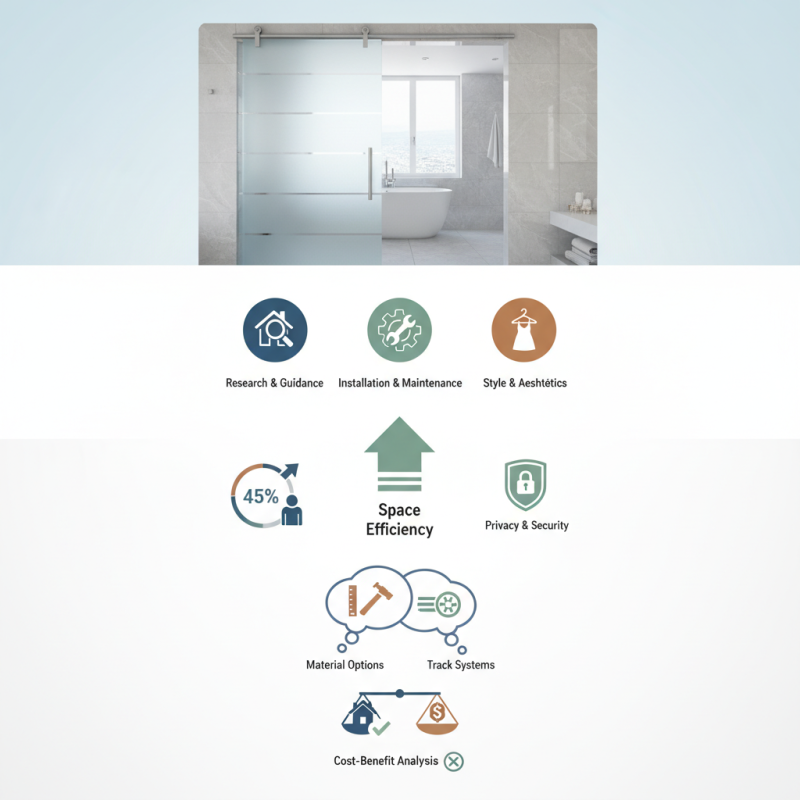
Bathroom sliding doors are gaining popularity in modern interior design. They offer space efficiency without compromising aesthetics. According to a recent report by the Home Improvement Research Institute, 45% of homeowners are now opting for these doors for their bathrooms. They not only save space but also enhance privacy and style.
Expert designer Laura Greenfield states, "A Bathroom Sliding Door combines functionality with modern elegance." This perspective aligns with current trends favoring minimalism and practical solutions. Sliding doors can transform cramped bathrooms into open, airy spaces, making them more appealing to potential buyers.
However, not all sliding doors are created equal. Issues like installation challenges and maintenance can arise. Homeowners must consider material options and track systems carefully. Choosing the right Bathroom Sliding Door requires research and guidance to avoid costly mistakes. Balancing style, functionality, and practicality can be a daunting task.
What is a Bathroom Sliding Door?
A bathroom sliding door is a sleek and functional addition to modern homes. It operates on a simple yet effective system, allowing the door to glide smoothly on tracks. This design saves space, making it a popular choice for smaller bathrooms. Unlike traditional doors, sliding doors do not swing open, avoiding any blockages in tight areas. They come in various materials, including glass, wood, and composite, each offering different aesthetics.
One of the main advantages is the ease of use. They require minimal effort to operate, which is ideal for busy households. However, regular maintenance is necessary. Tracks can collect dirt and debris, affecting performance. Keep an eye on the movement; a hesitant slide indicates it might be time to clean the tracks.
Consider these tips for installation. Ensure you have adequate wall space for the door to slide open fully. Choose the right material based on your décor and privacy needs. If you install a glass door, think about frosted options for added privacy. Ultimately, bathroom sliding doors combine style and practicality, making them a worthy investment.
Types of Bathroom Sliding Doors Available
Bathroom sliding doors have gained popularity for their space-saving design and modern aesthetic appeal. They come in various types, each offering unique benefits and considerations. The most common types include bi-fold, pocket, and barn-style doors. According to a 2022 report by the National Kitchen and Bath Association, sliding doors account for approximately 30% of bathroom renovations. This trend reflects both functionality and style preference among homeowners.
Bi-fold sliding doors are ideal for small bathrooms. They fold back against the wall, maximizing space. Pocket sliding doors disappear into the wall when open. This option requires careful planning during installation. Barn-style doors bring a rustic charm, suitable for many bathroom designs. A report published by Houzz indicated that 25% of homeowners choose barn doors for their attractive appearance. Each type has specifics that can complicate installation and maintenance.
Choosing the right sliding door involves weighing aesthetics and practical implications. The materials used, such as glass or wood, impact durability and maintenance needs. Homeowners must consider their lifestyle when making selections. A high-traffic bathroom may need sturdier materials. However, maintenance can be overlooked. Regular cleaning of tracks and hinges is essential for smooth operation. Neglecting this may cause issues over time.
How Bathroom Sliding Doors Operate Mechanically
Bathroom sliding doors are engineered for efficient use of space. They operate on a simple yet effective mechanism that maximizes accessibility while minimizing clutter. Often hung on a track, these doors glide smoothly to the side, making it easier to enter and exit the bathroom without swinging doors taking up valuable space. According to the National Association of Home Builders, retractable doors can save up to 10 square feet in smaller bathrooms.
Mechanically, bathroom sliding doors rely on rollers that move along a track. These rollers can wear out or become misaligned over time. Maintenance is crucial to ensure smooth operation. A study from the American Society of Mechanical Engineers noted that improper installation is a common issue, leading to efficiency problems and early failure of the components. Using high-quality materials can mitigate these risks, but regular checks are often overlooked.
Many manufacturers recommend periodic cleaning of the tracks to prevent debris buildup, which can hinder movement. An estimated 30% of sliding door issues arise from neglected maintenance. Homeowners should not underestimate the importance of small details, such as lubricating the rollers and wheels. Awareness of these factors can enhance the functionality and lifespan of bathroom sliding doors.
What is a Bathroom Sliding Door and How Does It Work? - How Bathroom Sliding Doors Operate Mechanically
| Feature |
Description |
Mechanism |
Materials Used |
| Type |
Bypass Sliding Door |
Rollers on the top track |
Glass, Wood |
| Operation |
Slide horizontally |
Guided by tracks |
Aluminum, Vinyl |
| Advantages |
Space-saving |
No swing area needed |
Durable materials, easy to clean |
| Common Sizes |
24", 30", 36" |
Width varies by design |
Custom sizes available |
| Installation |
Wall or ceiling mounted |
Requires precise leveling |
Professional installation recommended |
Benefits of Using Sliding Doors in Bathrooms
Sliding doors in bathrooms are becoming increasingly popular. Their
space-saving design is a significant advantage. In small bathrooms,
traditional doors can take up valuable space when opened.
Sliding doors glide smoothly along a track, allowing you to maximize every inch of your bathroom. This can create a more
open and inviting environment.
Aside from saving space, sliding doors offer a modern aesthetic. They come in
various materials, such as glass and wood, providing options to match any decor style. The transparent or frosted glass
can also add elegance while allowing natural light to flow in. However, it's crucial to consider maintenance. Glass sliding
doors can show water spots and require regular cleaning, which might be a drawback for
some homeowners.
Security and privacy are essential in bathrooms. Sliding doors can be fitted with locks for privacy. However, they can
sometimes lack the sturdy feeling of traditional doors. This may lead to concerns about noise
and privacy in shared spaces. Weighing these factors can help you decide if sliding
doors are the right fit for your bathroom.
Installation and Maintenance Tips for Sliding Doors
Bathroom sliding doors, favored for their space-saving design, require specific installation and maintenance practices to ensure longevity and functionality. Proper installation hinges on accurate measurements and level positioning. According to a study by the National Association of Home Builders, misalignment is a common issue that can lead to operational problems. Observing industry standards can minimize these risks. Utilize a stud finder and ensure that the track is mounted securely for a smooth glide.
Maintenance is often overlooked, yet it is crucial for optimal performance. Regularly cleaning the tracks with a soft brush keeps debris at bay. Almost 30% of homeowners neglect this step, leading to jammed doors. Lubricating the rollers with a silicone-based spray ensures smooth operation. The consensus among experts is that periodic inspections can spot wear and tear before they escalate into costly repairs. Observing these practices makes sliding doors an attractive option, contributing to both functionality and aesthetic appeal in bathrooms.