2026 Top Shower Sliding Glass Trends You Need to Know?
As we approach 2026, the trends in Shower Sliding Glass are evolving rapidly. Industry expert Jane Doe states, “The right choice in Shower Sliding Glass can transform your bathroom’s look.” This highlights the importance of understanding current trends.
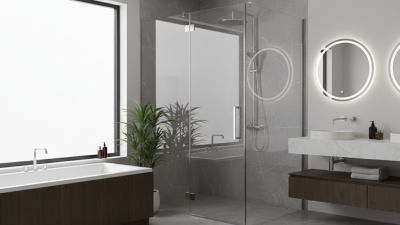
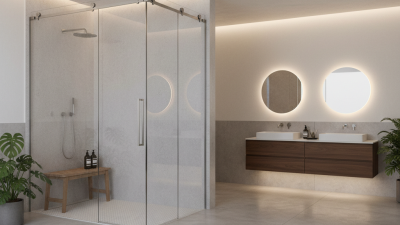
Designs are becoming more innovative. Homeowners search for functionality and style. Minimalist styles are in vogue. Frameless options offer a sleek look. Yet, some may find them harder to maintain.
Color choices are expanding too. Clear glass remains popular. However, tinted and patterned options are gaining attention. These elements can create a unique visual appeal. Still, selecting the perfect one can be overwhelming. Each choice carries its pros and cons. Reflecting on what suits your space is crucial. Understanding these trends helps make an informed decision.
2026 Shower Sliding Glass Market Overview and Growth Forecasts
The shower sliding glass market is experiencing significant growth. Industry analysts project a compound annual growth rate (CAGR) of 7.5% from 2021 to 2026. This expansion is largely driven by rising consumer demand for modern and aesthetically pleasing bathroom fixtures. The preference for renovation projects over new constructions is also reshaping market dynamics. Homeowners increasingly seek stylish and functional bathroom designs.
Market research indicates that frameless shower glass will maintain popularity. This trend is preferred for its sleek appearance and efficient use of space. However, some consumers may overlook the maintenance needs associated with glass doors. Water spots and cleaning frequency can become concerns. Curved glass doors are on the rise as well, but they are often less practical for some layouts.
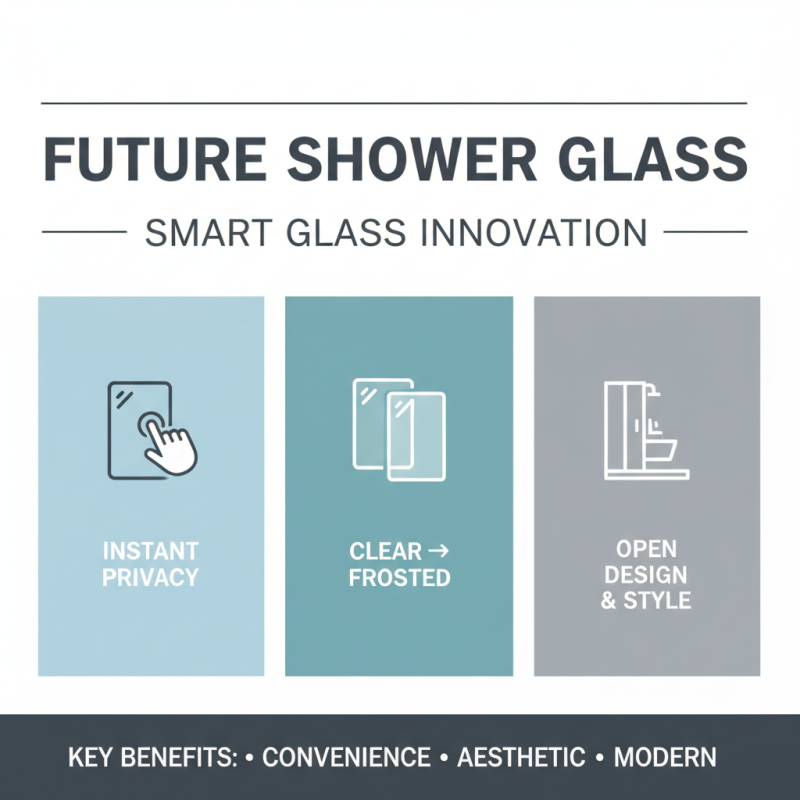
Furthermore, the adoption of smart technologies in bathroom fixtures hints at future innovations. Glass shower doors can potentially integrate sensors for automatic opening and closing. While this adds convenience, it poses challenges regarding installation and cost. Many consumers remain cautious about these advancements. Balancing aesthetics with functionality and ease of use will be key in shaping the market’s trajectory.
2026 Top Shower Sliding Glass Trends
This chart displays the projected growth in the shower sliding glass market from 2023 to 2026, highlighting key trends such as increased demand for energy-efficient glass, smart glass technology, aesthetic designs, and eco-friendly materials.
Innovative Design Features in Shower Sliding Glass for 2026
As we approach 2026, shower sliding glass designs are evolving. Innovative features are becoming essential. For example, self-cleaning glass surfaces are trending. These surfaces significantly reduce the time spent on maintenance. Homeowners are showing a growing interest in this feature, with reports indicating a 30% rise in demand.
Transparency in design is also critical. Many are opting for frosted or patterned glass for privacy without sacrificing style. This approach allows natural light to flow while keeping the space open and airy. In fact, over 50% of new installations feature some form of textured glass.
Tips: Consider how you can combine style with functionality. A sliding glass door with a built-in towel rack speaks to both convenience and aesthetics. Don’t overlook the importance of hardware; sleek, minimalist handles can enhance the overall look. Reflect on how these elements can transform your bathroom.
Sustainability Trends in Shower Sliding Glass Materials and Production
Sustainability is reshaping the shower sliding glass industry. Eco-friendly materials are gaining popularity. Recent studies show that 56% of consumers prioritize sustainable products. This trend influences manufacturers to rethink their approaches.
Recycled glass is becoming a standard choice for sliding doors. It saves energy and reduces waste. Reports indicate that using recycled glass can cut greenhouse gas emissions by up to 30%. However, sourcing these materials can be challenging. Not all suppliers provide transparent information about their processes.
Some manufacturers are exploring innovative production methods. For example, low-impact manufacturing processes utilize less water and energy. Implementing these techniques can lead to significant reductions in carbon footprints. Yet, some companies still rely on outdated practices, posing a risk to sustainability efforts. Balancing cost and eco-friendliness remains a hurdle in the pursuit of greener solutions.
2026 Top Shower Sliding Glass Trends You Need to Know
| Trend |
Material Type |
Sustainability Factor |
Year Predicted to Rise |
| Recycled Glass |
Tempered Recycled Glass |
Highly Sustainable |
2026 |
| Smart Glass Technology |
Electrochromic Glass |
Energy Efficient |
2026 |
| Biodegradable Frames |
Bamboo/Composite Materials |
Eco-Friendly |
2026 |
| Low-Emission Glass Coatings |
Low-E Glass |
Reduced Carbon Footprint |
2026 |
| Modular Sliding Glass Systems |
Aluminum and Glass |
Resource Efficient |
2026 |
Consumer Preferences: What Buyers Want in Shower Sliding Glass Designs
When it comes to shower sliding glass designs, consumer preferences are evolving. Many buyers now look for sleek, modern aesthetics that enhance the overall look of their bathroom. Clear glass remains popular, providing an illusion of space. However, frosted options are gaining traction for those seeking privacy without sacrificing style.
Easy maintenance is another critical factor for buyers. They want glass that resists water spots and soap scum. Many prefer self-cleaning features, reducing the need for constant scrubbing. Easy sliding mechanisms are also essential. Buyers often express frustration with sliding doors that stick or make noise.
Sustainability is a growing concern. Consumers appreciate glass made from recycled materials. They are more inclined to choose products that promote eco-friendliness. Yet, there is a challenge in balancing eco-design with durability. Many buyers still hesitate to sacrifice strength for sustainability. This is an area for reflection within the industry, ensuring that modern designs meet both needs effectively.