2026 Best Frosted Shower Doors for Global Buyers?

Choosing the 2026 Best Frosted Shower Doors for Global Buyers requires more than comparing attractive photographs. A reliable choice must balance privacy, safety, durability, maintenance, and regional installation needs. Frosted glass can soften harsh bathroom lighting while hiding water marks and daily clutter. However, not every finish performs equally well.

Renovation expert Mike Holmes offers a useful principle: “Good design must survive daily use, not just photographs.” That idea matters here. Look for properly tempered safety glass, stable door hardware, precise seals, and a finish that resists soap residue. A 6–10 millimeter glass panel may suit many bathrooms, but wall structure and door weight still require professional assessment. Small details matter. A weak hinge can ruin an expensive installation.

Global buyers should also examine certification, packaging quality, replacement parts, and local installer experience. Humid coastal homes may need stronger corrosion resistance. Areas with hard water may benefit from protective coatings and simpler surface textures. Shipping conditions deserve attention too, because chipped edges often begin with poor packaging, not poor glass.

This guide compares popular Frosted Shower Doors through practical, buyer-focused criteria. It considers design, privacy levels, cleaning effort, hardware quality, and long-term value. No ranking is perfect. Preferences, budgets, and building conditions differ widely. Some beautiful doors may be unsuitable for older walls or narrow bathrooms. That uncomfortable detail is easy to overlook. The best choice is not always the most stylish model. It is the door that remains safe, functional, and attractive after years of ordinary use.
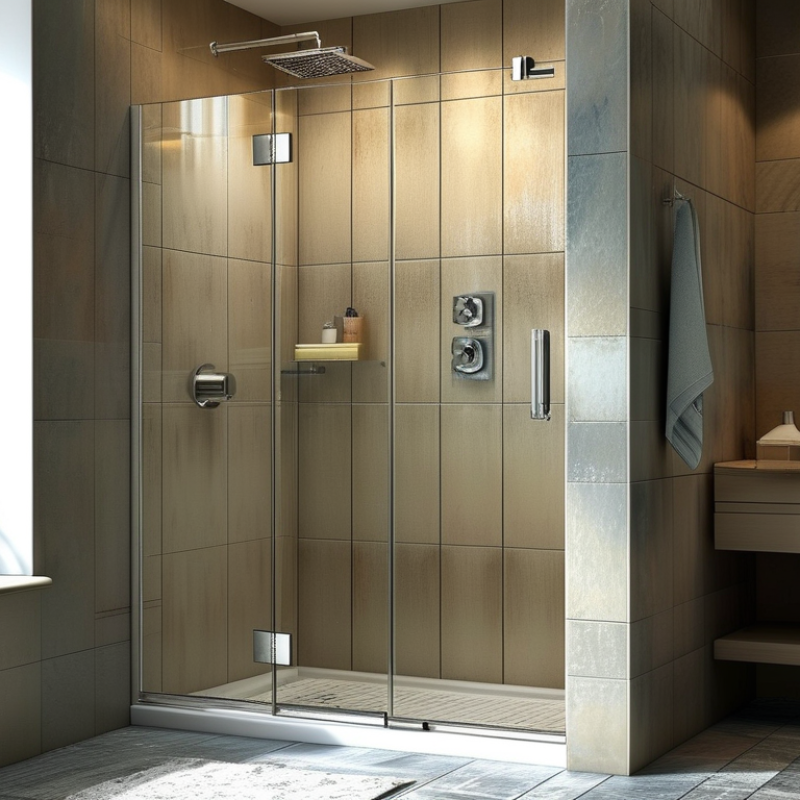
2026 Best Frosted Shower Doors for Global Buyers?

Frosted Shower Door Types, Privacy Levels, and 2026 Selection Criteria

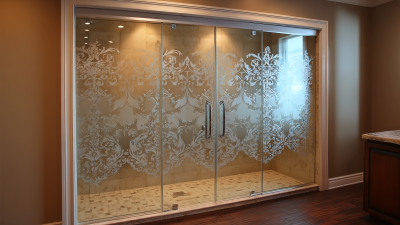
For global buyers, frosted shower doors come in several practical forms. Hinged doors suit wider bathrooms, while sliding doors save floor space. Fixed panels create a clean, open layout. Fully frosted glass offers strong privacy, but patterned frosting can preserve more daylight. Acid-etched surfaces usually feel refined and resist peeling. Film-coated glass may cost less, yet edges can require closer inspection. Privacy depends on lighting, glass texture, and viewing distance.

In 2026, selection should begin with accurate measurements and local installation requirements. Choose tempered safety glass from a verified supplier, with clear thickness and testing information. Check hinges, seals, drainage gaps, and wall alignment. Small errors matter. A door that looks perfect online may scrape against uneven tile. Buyers in humid regions should examine corrosion resistance and replacement hardware availability. Packaging quality also deserves attention during international shipping.

From installation experience, heavily textured glass hides water spots better than smooth frosted panels. However, it can demand more cleaning around raised patterns. A sample is worth requesting. Ask for privacy images under daylight and bathroom lighting, not studio photography. Smart privacy glass may seem attractive, but its controls and repair costs need careful review. I would also compare warranty terms, technical drawings, and after-sales response before ordering. A beautiful door is not always the easiest door to live with.
Compare 6–10 mm Tempered Glass Under ANSI Z97.1 and EN 12150

For global buyers, frosted shower doors should be compared by glass thickness and verified safety performance. A 6 mm tempered panel can suit smaller, well-supported doors. It feels lighter and usually reduces hardware stress. An 8 mm panel offers a practical balance for many residential enclosures. Large doors or wide openings may need 10 mm glass, but extra thickness does not replace proper engineering.

ANSI Z97.1 evaluates safety glazing through impact and breakage requirements. EN 12150 covers thermally toughened soda-lime silicate safety glass, including production controls and fragmentation behavior. Neither standard simply proves that every door is suitable for every bathroom. Ask for current test reports, permanent markings, batch traceability, and confirmation that the tested glass matches the supplied thickness. Check drilled holes and polished edges too. Small edge damage can become a serious failure point.

Frosting changes maintenance, not the basic structural rating. Acid-etched surfaces often feel smoother, while textured finishes can hold soap residue around the lower edge. I have found that poor alignment causes more complaints than glass thickness. The door should move evenly, without scraping or sudden closing. Inspect corners under bright light before installation. Imperfections happen. Yet unclear documentation should never be accepted as normal. Temperature, panel size, hinges, seals, and wall strength must be reviewed together by a qualified installer.

2026 Best Frosted Shower Doors for Global Buyers? Compare 6–10 mm Tempered Glass Under ANSI Z97.1 and EN 12150

Glass Thickness Approx. Glass Weight Typical Frosted Finish Approx. Visible-Light Transmission Privacy Level Typical Shower-Door Application Installation Considerations Standard and Compliance Checks Overall Buyer Profile
6 mm
(approximately 1/4 in)
Approximately 15 kg/m²
(3.1 lb/ft²)
Acid-etched or light sandblasted tempered glass Typically about 70–90%; the actual value depends on the glass substrate and frosting process Moderate privacy; silhouettes and movement may remain visible under strong lighting Framed doors, smaller hinged panels, sliding doors with adequate frame support, and compact bathrooms Requires accurate alignment and suitable seals. Hardware selection should follow the tested door-system design rather than glass thickness alone. Specify heat-treated safety glass and request test documentation for the finished product. Verify impact classification under ANSI Z97.1 where applicable and conformity to EN 12150-1 for thermally toughened soda-lime silicate safety glass. Value-focused projects and lighter framed systems
8 mm
(approximately 5/16 in)
Approximately 20 kg/m²
(4.1 lb/ft²)
Acid-etched, sandblasted, or patterned frosted tempered glass Typically about 60–85%; patterns and deeper surface treatments generally reduce transmission Good privacy with a balanced appearance and useful daylight Frameless hinged doors, fixed side panels, walk-in shower screens, and medium-sized bathroom openings Commonly selected for frameless shower systems. Hinges, clamps, edge clearances, wall structure, and panel dimensions must be engineered together. Confirm that the glass is permanently marked or documented as safety glass. For global procurement, check both the applicable ANSI Z97.1 impact requirements and EN 12150-1 product documentation when both markets are served. Balanced choice for residential and hospitality projects
10 mm
(approximately 3/8 in)
Approximately 25 kg/m²
(5.1 lb/ft²)
Acid-etched or high-opacity frosted tempered glass Typically about 45–75%; exact transmission is finish-specific and should be confirmed by sample or test data High privacy and a substantial premium appearance Large frameless doors, wide fixed panels, luxury bathrooms, and high-use commercial shower areas Heavier panels require stronger wall anchoring, correctly rated hinges or rollers, careful handling, and adequate clearance. Larger sizes may require project-specific engineering. Do not treat thickness as proof of compliance. Request heat-treatment records, dimensional inspection, edge-quality checks, and applicable ANSI Z97.1 or EN 12150-1 evidence for the supplied glass and configuration. Premium frameless installations and higher-use environments
Important purchasing note: ANSI Z97.1 and EN 12150-1 are safety-glazing requirements and product standards; they do not automatically approve every door size, hardware combination, edge condition, or installation method. Frosted glass may be produced by acid etching, sandblasting, ceramic frit, or other processes, and optical privacy and light-transmission values vary by supplier. Before ordering, confirm the final panel dimensions, glass thickness, heat-treatment documentation, edge finish, hardware compatibility, wall structure, local building requirements, and the applicable market standard.

Assess Opacity, Light Transmission, and Easy-Clean Surface Treatments

2026 Best Frosted Shower Doors for Global Buyers

Opacity and light transmission should guide every frosted shower door decision. A door can hide outlines while still brightening a compact bathroom. Dense patterns provide stronger privacy, but they may make the enclosure feel dim. Fine textures usually spread daylight more evenly. Ask suppliers for tested light-transmission data, not only attractive product photos. Images can mislead under studio lighting.

In practical installations, surface texture affects daily cleaning. Smooth, chemically treated glass generally releases soap film more easily than deeply patterned glass. Look for water-repellent treatments that reduce mineral spotting. However, no coating eliminates maintenance. Hard-water regions still need gentle wiping after showers. Avoid abrasive pads, which can damage the treatment and leave dull patches. Check whether the treatment is factory-applied and supported by care instructions.

Tips: Request a small sample before ordering. View it beside white and dark tiles. Test privacy under both daylight and bathroom lighting. Confirm the glass thickness, edge finish, hardware compatibility, and replacement process. A sample may look perfect, yet the installed door can appear different. This is easy to underestimate. Cleanability also depends on ventilation, water quality, and installation accuracy. Global buyers should compare technical documents, packaging protection, and local service access before choosing.

Match Sliding, Hinged, and Pivot Doors to Space and Accessibility Needs

2026 Best Frosted Shower Doors for Global Buyers?

Choosing a frosted shower door starts with movement, not appearance. Sliding doors suit compact bathrooms because panels stay within the opening. They reduce swing conflicts near toilets, basins, and towel rails. A 1200-millimeter shower can feel much larger with careful panel placement. However, narrow sliding openings may restrict wheelchair transfers and caregiver access.

Hinged doors offer a wider entry and simpler cleaning access. They need clear floor space for the door arc. Pivot doors can work well in corner enclosures, especially when the pivot point is positioned to protect nearby fixtures. The National Kitchen & Bath Association’s 2024 design research continues to highlight aging-in-place features, including wider entries and safer shower access. These details matter more than decorative glass texture.

Frosting improves privacy, but it can reduce visibility during assistance. That is an uncomfortable trade-off. The U.S. CDC reports that millions of older adults receive treatment for fall injuries each year, making stable entry and exit essential. Specify safety glazing, a low or level threshold, easy-grip hardware, and adequate lighting. Local accessibility rules still control the final layout.

My practical mistake was once choosing a beautiful door before checking the swing clearance. It looked right. It opened badly.

Verify CPSC 16 CFR 1201 Compliance, Hardware Quality, and Global Costs

For 2026 frosted shower doors, compliance must come before appearance. In the United States, 16 CFR 1201 classifies architectural glazing into Category I and Category II, based on exposed glass area. Request test evidence for the complete door assembly, not only the glass sheet. Tempered safety glass should carry permanent markings, with thickness, treatment, and certification matching the purchase documents. Frosting also deserves inspection. Uneven etching can hide scratches, cloudy patches, or edge damage.

Hardware quality affects safety and long-term cost. Check stainless-steel grade, hinge load ratings, corrosion resistance, and adjustment range. A heavy door with thin wall anchors is a warning sign. The 2024 World Bank Logistics Performance Index uses a 1-to-5 scale for customs, infrastructure, and delivery reliability; these factors can change landed costs significantly. Use destination-specific quotes.

Global buyers should compare product, packaging, freight, insurance, duties, taxes, installation, and replacement parts. Drewry’s 2024 World Container Index recorded substantial weekly changes across eight major shipping routes, proving that one freight quote is not a stable budget. Ask for crate dimensions and gross weight. A smaller carton may reduce freight, but weak protection can increase breakage claims. I would still verify local glazing rules, because CPSC compliance alone may not satisfy every market. Sales documents often look complete. They are not always complete.

Subscribe To Our Newsletter

For inquiries about our products or pricelist, please leave your email to us and we will be in touch within 24 hours.

Follow Us

on our social media
  • linkedin